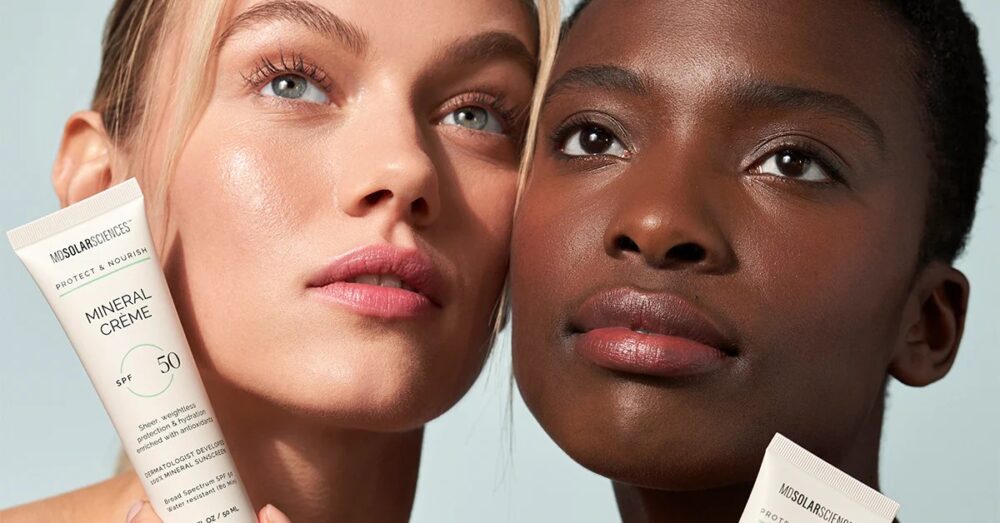
Sunscreen has a reputation problem. For years, the category was dominated by greasy formulas that smelled like a pool deck and left a chalky residue on every skin tone. That reputation has made it easier for people to skip SPF altogether, which dermatologists consistently flag as one of the most damaging habits in any skincare routine. MDSolarSciences was built to fix exactly that problem, developing mineral sunscreen formulas that are grounded in clinical science and designed to work with skin, not against it.
Why Mineral Sunscreen Has Become the Preferred Choice
Not all sunscreens are created equal and the distinction between mineral and chemical formulas matters more than most people realize. Chemical sunscreens absorb UV radiation and convert it to heat before releasing it from the skin. Mineral sunscreens, by contrast, create a physical barrier that reflects and scatters UV rays before they reach the skin’s surface. For people with sensitive skin, reactive complexions or conditions like rosacea, mineral formulas tend to cause far less irritation. Mineral SPF has also gained traction among those who are mindful about what goes on their skin, since the active ingredients, zinc oxide and titanium dioxide, are well-studied and broadly well-tolerated.
What MDSolarSciences Focuses On
The brand’s core focus is photodamage prevention through lightweight, mineral-based SPF products that are designed to sit comfortably under makeup or on bare skin. MDSolarSciences formulates with broad-spectrum protection, meaning each product addresses both UVA rays that age the skin and UVB rays that cause sunburn. The textures trend toward sheer, fast-absorbing finishes rather than the thick pastes associated with older mineral sunscreen generations. Many products in the range are also reef-safe, formulated without oxybenzone or octinoxate, two chemical filters that have been restricted in certain coastal regions due to environmental concerns.
Incorporating SPF Into a Morning Routine
The single most effective thing anyone can add to a morning skincare routine is a broad-spectrum SPF 30 or higher, applied as the final step before makeup. That placement matters. Sunscreen needs direct contact with the skin to function properly, so layering it over a thick moisturizer can dilute its effectiveness. A lighter hydrating serum or moisturizer applied first, followed by sunscreen once the previous layer has absorbed, gives each product room to do its job. For those who prefer to keep their routine minimal, a moisturizer with built-in SPF simplifies the process without sacrificing protection. The key consideration is ensuring the formula offers true broad-spectrum coverage rather than a low SPF added as an afterthought.
Getting the Application Right
Most people apply far less sunscreen than studies indicate is needed to achieve the stated SPF protection on the label. The general recommendation for the face alone is about a quarter teaspoon, which is more than most people use in a typical application. Reapplication every two hours during sun exposure or after sweating or swimming, is just as important as the initial layer. A few habits that make consistent reapplication more realistic
- Keep a travel-size SPF at a desk or in a bag for midday touch-ups
- Use SPF powder or setting spray for reapplication over makeup
- Apply sunscreen to the ears, neck and backs of hands, not just the face
- Use a lip balm with SPF 30 or higher as part of the same routine
- Apply sunscreen on cloudy days, since UV rays penetrate through cloud cover

Matching SPF to Skin Type and Lifestyle
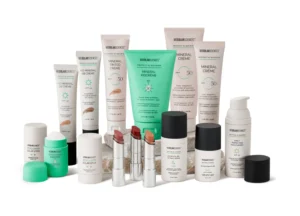
Sunscreen is not a one-size-fits-all product and matching the formula to skin type makes a significant difference in whether someone actually uses it consistently. Oily skin typically does better with lightweight, mattifying formulas that control shine rather than adding to it. Dry skin benefits from sunscreens that include hydrating ingredients, preventing that tight, uncomfortable feeling that can come with some SPF formulas. For very active days outdoors, a water-resistant formula is a practical choice over a standard one. MDSolarSciences addresses several of these needs across its product range, with options designed for different skin concerns and activity levels rather than a single formula intended for everyone.
The Long-Term Skin Case for Daily SPF
The evidence connecting consistent sunscreen use to measurable improvements in skin appearance over time is substantial. A landmark Australian study tracking participants over more than four years found that those who used sunscreen daily showed no detectable increase in skin aging compared to the control group. UV exposure is responsible for the majority of visible skin aging, fine lines, uneven tone, loss of elasticity, independent of biological aging. That means sunscreen is not just a tool for preventing sunburn on a beach day. Used daily, it is one of the most evidence-backed skincare investments available. Choosing a formula from a brand like MDSolarSciences, which formulates specifically for daily wearability, removes most of the friction that causes people to skip this step.
Building a routine around SPF does not require a complicated overhaul. Starting with a mineral sunscreen that works for a specific skin type and committing to applying it every morning is the foundation. Everything else, antioxidant serums, retinoids, targeted treatments, builds more effectively on skin that is consistently protected from UV damage. MDSolarSciences makes that foundation easier to maintain.