
A winter coat is one of those wardrobe purchases that ripples through every cold-weather month. The wrong choice means constant discomfort, shivering on the way to work, adding bulky layers underneath or wearing something that looks fine but performs poorly. The right choice becomes something you reach for without thinking, knowing it will hold up through wind, snow and long days outdoors. OROLAY has become one of the most recognized names in functional outerwear for exactly this reason, the brand designs winter coats built around real cold-weather performance without sacrificing the details that make a coat enjoyable to wear every day.
What Sets a High-Quality Winter Coat Apart
The outer shell fabric determines how well a coat resists wind and moisture. Nylon, polyester and treated cotton blends each behave differently in wet and cold conditions. A tightly woven shell sheds light rain and blocks wind effectively, which makes a noticeable difference in how warm the garment actually feels. A coat with a loose weave may use excellent insulation but still feel cold because the wind cuts straight through.
Insulation type is the second major variable. Down insulation, from duck or goose feathers, offers exceptional warmth-to-weight ratios and compresses well for storage. Synthetic insulation performs better in wet conditions because it retains more warmth even when damp, making it a practical choice for climates that see a lot of rain or heavy snowfall. Many OROLAY coats use high-fill-power insulation to strike the right balance between packability and heat retention across a range of winter conditions.
Understanding Fill Power and Warmth Ratings
Fill power is the most commonly cited insulation specification and it measures how much space one ounce of down occupies. Higher fill power means more loft per ounce, which translates to a lighter coat that traps more air and retains more warmth. A coat with 600-fill-power down will be warmer and lighter than one with 400-fill-power down at the same weight.
Warmth ratings, on the other hand, indicate the temperature range a coat is designed for. Lightweight insulated jackets typically cover mild to cool conditions above freezing. Mid-weight coats handle temperatures from around freezing down to roughly minus ten degrees Celsius. Heavyweight parkas with high-fill insulation or thick synthetic batting are designed for genuinely harsh conditions, extended outdoor exposure in subzero temperatures. Matching the coat to the actual climate it will be worn in prevents both under-dressing and overheating.
Fit and Mobility in Winter Outerwear
A coat that fits well is a coat that gets worn regularly. Fit affects both warmth and appearance. A coat that is too tight restricts arm movement and compresses the insulation, reducing its ability to trap air. One that is too loose allows cold air to circulate freely inside, defeating the purpose of the insulation altogether. The ideal fit for a winter coat allows comfortable layering, a sweater or midlayer underneath, without the coat pulling across the shoulders or bunching at the arms.
Mobility matters especially for anyone who commutes, walks significant distances or lives an active daily life. Raglan sleeves, articulated elbows and stretch panels all contribute to a coat that moves with the body rather than against it. These features are worth paying attention to because they define how the coat feels after hours of continuous wear.
Features Worth Prioritizing
Beyond insulation and fit, specific design features make winter coats more practical in real-world conditions. Some of the most useful include
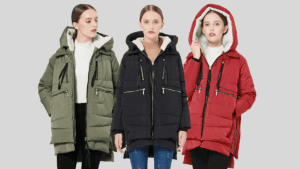
- A deep hood that adjusts snugly around the face to block wind from multiple angles
- Cuffs with inner knit trim or adjustable closures that seal out cold air at the wrists
- Storm flaps covering the main zipper to eliminate the draft that runs straight up the center of the body
- Multiple pockets, hand-warming pockets, interior pockets and zip-secured pockets for valuables
- A hem that extends to the hip or thigh for added coverage during extreme cold or wind
These features might seem minor in a product description but become very apparent once temperatures drop and the coat is being tested by actual winter conditions.
Caring for Insulated Winter Coats
Proper care extends the life of any winter coat significantly. Down-insulated coats should be washed in a front-loading machine on a gentle cycle with a down-specific detergent, never a standard detergent, which can strip the natural oils from the feathers. Drying is equally important down coats should be tumble-dried on low heat with a few tennis balls or dryer balls to break up clumps as the down dries. Without this step, the insulation dries in dense clumps that reduce loft and warmth permanently.
Synthetic insulation is more forgiving in the wash but benefits from the same gentle approach. Storing any insulated coat uncompressed, hanging it on a wide hanger rather than folded in a bag, preserves the loft over time. OROLAY provides care instructions with each garment, which is worth following to get the full expected lifespan from the piece.
Choosing Between Parka, Puffer and Quilted Styles
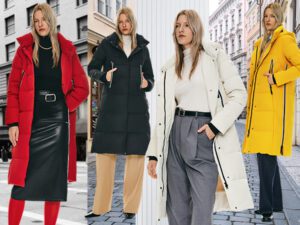
The style of a winter coat affects both its warmth profile and its visual versatility. Parkas offer the most coverage, typically extending past the hip and often include additional features like faux fur trim, adjustable waists and multiple pocket configurations. They are the standard choice for genuinely cold climates where full coverage is a practical necessity.
Puffer jackets compress the insulation into horizontal or vertical quilted channels, giving the familiar puffy silhouette that has become both a style statement and a performance category. Lightweight puffers layer easily under longer coats or travel well as packable options. Heavier puffers with high-fill insulation compete directly with parkas for warmth while maintaining a sleeker profile.
Quilted coats use a flatter stitching pattern through a thinner batting layer, creating a more tailored look that works across casual and smart-casual settings. They sacrifice some warmth relative to a puffer of the same weight but gain in versatility and polish. OROLAY produces across these silhouettes, which means the choice comes down to climate, lifestyle and personal style rather than availability.
Winter coats are a long-term investment in daily comfort and getting the details right at the start saves a season of regret. Whether the priority is maximum warmth, packability, everyday style or some combination of all three, understanding what goes into a coat makes the decision straightforward. OROLAY is worth exploring for anyone building a cold-weather wardrobe around garments that actually deliver on their promises.