There are some brands people grow up with without even realizing it. You see them in childhood shopping trips, in airport food halls, in school uniforms, in holiday meals, and later in your own weekly grocery runs.
Over time, they stop feeling like “stores” and start feeling like routines.
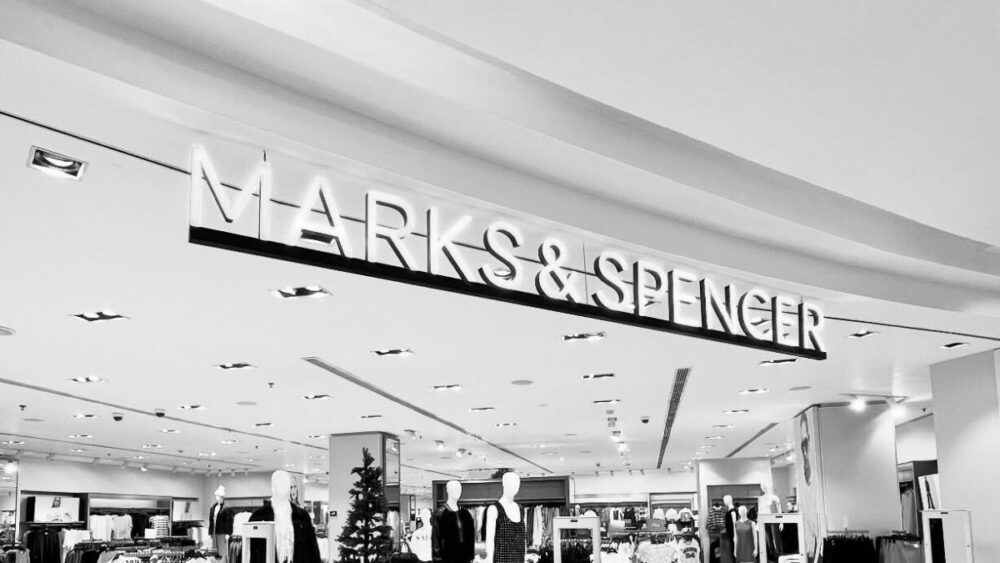
That is the space Marks & Spencer now occupies. What began as a traditional British retailer has gradually reshaped itself into something more layered: a place where food, fashion, home essentials, and small lifestyle upgrades all sit under one roof.
The interesting part is not just what Marks & Spencer sells, but how it fits into everyday life. It has become less about occasional shopping and more about repeat rituals that quietly support how people eat, dress, and live.
When Grocery Shopping Starts Feeling a Bit More Considered
Food shopping used to be purely functional. You went in, filled a basket, and left.
But modern shoppers increasingly want something different from their weekly groceries. They are looking for better ingredients, less guesswork, and meals that feel reliable without requiring effort.
This is where Marks & Spencer has built much of its identity. Its food halls are known for ready meals, fresh produce, bakery items, and seasonal products that aim to balance convenience with quality.
Recent pricing changes across everyday essentials, including staples like eggs, butter, and meat, reflect a broader push to make daily shopping more accessible without changing product standards.
The appeal is simple. People want food that feels a little more dependable, especially during busy weeks when time is limited but expectations are still high.
In that sense, Marks & Spencer is not just selling groceries. It is selling predictability in a world where daily routines often feel rushed.
Clothing That Quietly Aims for “Wear It Every Day” Energy
Fashion trends move quickly, but most people’s wardrobes do not.
They want clothes that work for multiple situations: office days, casual weekends, travel, or simply staying comfortable at home. That shift has pushed retailers to think less about runway statements and more about repeat wearability.
The clothing side of Marks & Spencer focuses heavily on everyday essentials, including knitwear, tailoring, lingerie, and basics designed for comfort and durability. The emphasis is not loud fashion. It is practical confidence.
Instead of chasing extremes, the brand leans into pieces that feel familiar quickly, like items that become part of a weekly rotation without much thought.
This is one of the reasons it continues to hold a strong position in the clothing and home market.
For many shoppers, Marks & Spencer clothing is less about experimentation and more about reliability. It is the kind of wardrobe building that happens quietly over time rather than in seasonal bursts.

Home Living That Focuses on Small Upgrades, Not Big Transformations
Home shopping has shifted in recent years from big renovation dreams to smaller, more frequent upgrades.
People are changing bedding, adding storage, refreshing kitchen basics, or updating décor in subtle ways that make spaces feel new without requiring major spending or effort.
The home category of Marks & Spencer fits neatly into this mindset. It offers practical items that blend into existing homes rather than demanding a full redesign.
Think textiles that soften a room, tableware that elevates everyday meals, or storage pieces that quietly improve organization.
It is less about transformation and more about refinement.
That approach reflects a broader retail trend where consumers prioritize comfort and function over constant reinvention. In that context, Marks & Spencer becomes part of the background rhythm of home life, not a disruptive change to it.
Why Food and Fashion Under One Brand Actually Works
At first glance, combining groceries and clothing under one brand might seem unusual.
But in practice, it makes sense because both categories serve the same purpose: everyday living.
People do not separate their lives into “food days” and “clothing days.” They experience them together in routines. Breakfast before work. Outfits chosen for errands. Dinners planned around busy schedules. Weekend comfort wear paired with easy meals.
That overlap is exactly where Marks & Spencer has positioned itself.
Its strength lies in being a convenience anchor. One place where multiple everyday needs can be solved without switching between different brands or shopping environments.
This matters more today because time has become one of the most valuable resources. Shoppers increasingly prefer fewer but more reliable destinations.
Even expansions into services like click-and-collect and upgraded store formats show how retail is adapting to faster, more integrated lifestyles.
In a way, Marks & Spencer is responding to a simple truth: people do not want more complexity, they want less friction.

What Shoppers Actually Look for Now (And Why It Matters)
Modern consumers are not just comparing prices anymore. They are comparing experiences.
They care about consistency. They care about trust. They care about whether a product will feel the same the second or third time they buy it.
When people return to Marks & Spencer, it is often because of this expectation of consistency. They know what they are getting, whether it is a meal, a shirt, or a set of home essentials.
Key factors influencing this behavior include:
- Reliability of quality across categories
- Ease of finding everyday essentials in one place
- Familiar product ranges that reduce decision fatigue
- Balanced pricing across premium and value-focused items
- Consistent in-store and online experience
The brand’s success is not built on surprise. It is built on predictability that feels reassuring rather than boring.
The Real Reason Marks & Spencer Still Feels Relevant
Retail has changed dramatically. New platforms appear constantly, trends move faster, and consumer attention is more fragmented than ever.
Yet Marks & Spencer continues to remain part of everyday life because it understands something simple: most people are not looking for retail excitement. They are looking for retail that works.
Whether it is food that simplifies dinner, clothing that fits real life, or home items that quietly improve daily comfort, the brand sits in the background of modern routines rather than trying to dominate them.
And that might be its real strength.
It does not ask people to change how they live. It just fits into how they already do.