There was a time when portable power meant a small backup battery for phones. Now it has become something much bigger, tied to how people travel, work, and prepare for uncertainty. Jackery sits right in the middle of this shift, not just as a tech product but as part of a lifestyle that values independence from fixed power sources.
What makes Jackery interesting today is how it has moved from a camping accessory into a practical tool for everyday resilience. Whether it is remote work, emergency preparedness, or outdoor living, portable energy is no longer a niche convenience. It is becoming part of how people structure their routines.
From Outdoor Gear to Everyday Utility
At its core, Jackery built its reputation in outdoor spaces. Campers, van-lifers, and travelers were among the first to rely on its portable stations for lighting, charging, and small appliances. The appeal was simple: reliable electricity without noise, fuel, or complexity.
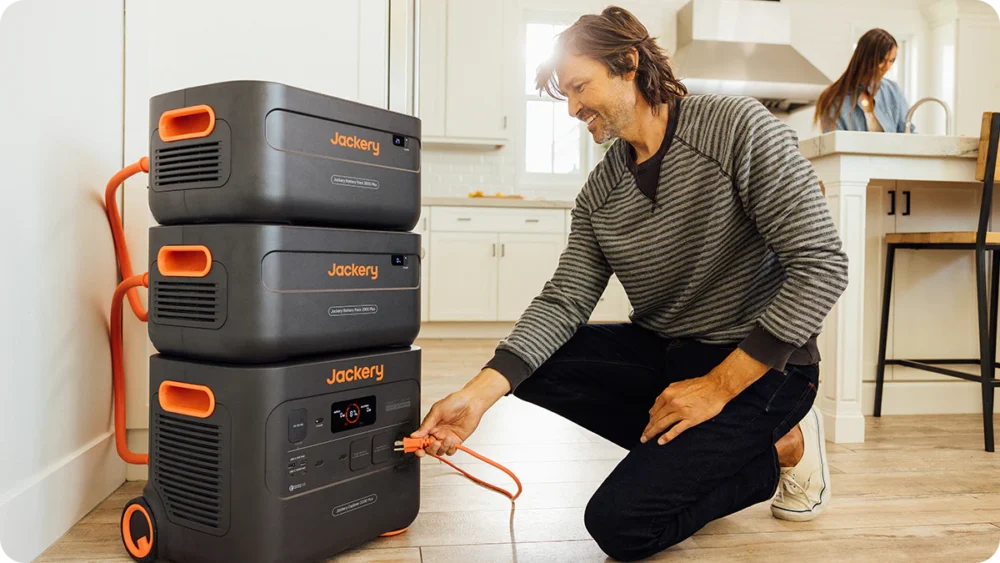
Over time, that use case expanded. Today, many users are not just taking Jackery devices into the wild but also keeping them at home. Power outages, remote work setups, and flexible living arrangements have turned these systems into part of daily infrastructure rather than occasional gear.
This evolution reflects a broader change in how people think about electricity. It is no longer just something fixed in walls, but something that can move with life.
Simplicity as a Design Advantage in a Complex Market
Portable power technology has become increasingly competitive, with brands adding app controls, expandable batteries, and advanced customization. While these features can be useful, they can also create a learning curve that not every user wants.
Jackery continues to stand out by prioritizing simplicity. Most of its systems are designed to work immediately after setup, with clear ports, intuitive layouts, and straightforward operation.
This simplicity creates real-world advantages:
- Minimal setup time before use
- Easy operation during emergencies
- Clear display of power input and output
- Reliable compatibility with common devices
- Lower learning curve for non-technical users
In stressful situations like storms or outages, simplicity often becomes more valuable than advanced features.
The Shift Toward Prepared Living
One of the biggest drivers behind portable power adoption is preparedness. Weather disruptions, aging infrastructure, and increased digital dependency have made backup energy more relevant for everyday households.
Jackery fits into this trend by offering scalable power options. Smaller units handle phones and laptops, while larger stations can support essential appliances like refrigerators or routers for limited periods.
This is not about expecting disaster. It is about reducing disruption when life becomes unpredictable. The ability to keep essential systems running even temporarily can make a significant difference in comfort and stability.
Preparedness today is less about survivalism and more about continuity.
Why Portability Changes How People Use Energy
Traditional backup systems are fixed. They are installed in homes or buildings and rarely move. Portable power systems change that dynamic entirely by allowing energy to follow the user.
With Jackery, energy becomes something that can shift between contexts:
- From home to campsite
- From indoor workspace to outdoor setup
- From daily use to emergency backup
- From travel to stationary use
This flexibility changes behavior. People start planning activities assuming power is available anywhere, rather than being restricted to outlets. That shift has quietly influenced everything from travel habits to remote work culture.
Real-World Reliability Over Technical Overload
In real-world usage, performance is not just about specifications. It is about whether a system works consistently when needed. Reviews and user feedback around Jackery often highlight stable output, predictable charging behavior, and ease of use across different environments.
While no system is perfect, the value here lies in dependability rather than experimentation. Users who rely on these devices for camping trips or emergency situations often prioritize trust over complexity.
Commonly appreciated aspects include:
- Stable power delivery for sensitive devices
- Quiet operation compared to fuel generators
- Straightforward charging via wall, car, or solar input
- Durable design suited for outdoor conditions
- Consistent usability across different models
In energy systems, predictability often matters more than innovation.
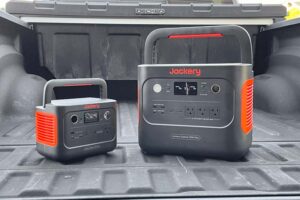
The Quiet Expansion of Solar Integration
Another important part of the Jackery ecosystem is solar charging. While not always the fastest method, it represents a shift toward renewable, self-sustaining power cycles.
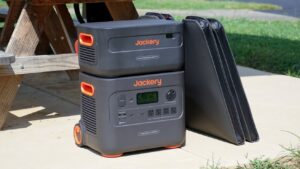
Users increasingly combine portable stations with solar panels to extend off-grid usage. This creates a loop where energy can be generated, stored, and reused without relying on traditional infrastructure.
This approach is especially relevant for long trips, remote work environments, and emergency preparedness scenarios where grid access is limited or unavailable.
Solar integration also reflects a larger cultural trend toward energy independence, even at small personal scales.
Portable Energy Is Becoming Part of How Life Moves
The rise of Jackery reflects more than a product category. It reflects a shift in how people think about control, mobility, and preparedness in everyday life. Energy is no longer fixed to a location. It moves with people, adapts to situations, and supports both routine and unexpected moments.
As lifestyles continue to become more flexible and unpredictable, portable power is moving from a convenience into a necessity. In that space, Jackery’s value lies not in complexity, but in making energy accessible wherever life happens.