Travel has become a strange mix of excitement and exhaustion. One moment it feels like freedom, the next it feels like managing logistics, hidden costs, and unpredictable experiences that don’t always match what was promised online. That is why more travelers are shifting their attention back to something simpler: hotels that just make the stay easy again.
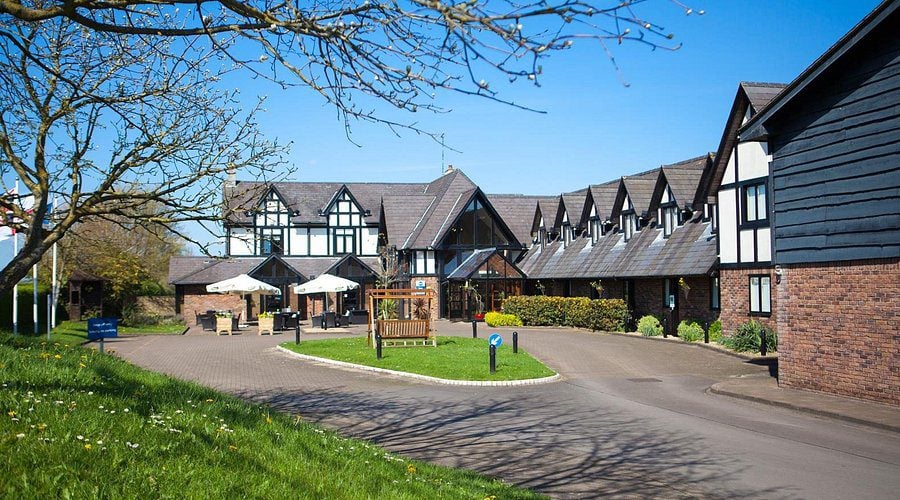
In that space, Best Western has been quietly regaining attention, not through loud reinvention, but through consistency that feels increasingly valuable in today’s travel world. It is the kind of brand that does not demand attention, yet earns it through reliability, familiar comfort, and practical details that actually matter when you are on the road.
What makes this interesting is not nostalgia. It is necessity. Travelers today are more informed, more mobile, and more selective than ever. And when expectations rise, so does the appreciation for brands that still focus on the basics done well.
Travel Fatigue Is Real, and Simplicity Is Becoming a Luxury
Modern travel often looks glamorous from the outside, but the experience behind it can be overwhelming. Booking platforms, changing prices, unclear fees, and inconsistent accommodations have made many travelers rethink what “good travel” actually means.
This is where Best Western starts to feel relevant again. It offers something many travelers did not realize they were missing: straightforward stays without unnecessary complications. Clean rooms, clear expectations, and predictable service create a sense of calm that is becoming rare in hospitality.
Instead of trying to overwhelm guests with overdesigned experiences, the focus is on functional comfort. That includes essentials like dependable Wi-Fi, convenient parking, and accessible locations that reduce travel friction. For many guests, that simplicity becomes the real value.
Why “Predictable Comfort” Is Outperforming Flashy Design
There was a long phase in travel where design-led hotels dominated attention. Aesthetic lobbies, themed interiors, and social media-friendly spaces became selling points. But over time, travelers started noticing a gap between appearance and experience.
With Best Western, the emphasis tends to be less about visual performance and more about dependable comfort. That matters when the goal is rest, not content creation.
Guests often prioritize:
- A bed that actually supports good sleep after long travel days
- Clean, maintained rooms without surprises
- Staff who respond quickly and clearly
- Reliable amenities that work as expected
- Easy check-in and check-out processes
These are not glamorous features, but they are the ones people remember when travel gets tiring. Predictability reduces stress, and in hospitality, reduced stress often equals a better overall experience.

The Strength of a Brand That Works Across Different Travel Styles
One of the overlooked strengths of Best Western is its adaptability. Travel is no longer one-dimensional. People are mixing business trips with leisure stays, driving long road routes, booking last-minute weekend getaways, or extending work trips into remote stays.
Instead of forcing one experience type, the brand’s structure allows different kinds of properties to serve different needs. This flexibility is what makes it practical in real-world travel situations.
For example, a solo business traveler might prioritize fast internet and proximity to city centers. A family might care more about room space and breakfast convenience. A road-tripper might focus on parking and easy highway access. The ability to serve all of these needs under one recognizable system makes planning easier and less stressful.
In a travel landscape where complexity is increasing, simplicity in choice becomes a benefit in itself.
Location Convenience Is Quietly Becoming a Major Travel Priority
Travelers are no longer just choosing where to stay based on price or aesthetics. Time efficiency has become a major factor. A hotel that saves commuting time can significantly improve the entire trip experience.
Best Western properties are often positioned in practical, high-access locations. That includes areas near highways, transit routes, airports, and city centers. While this might not sound exciting at first glance, it plays a major role in how smooth a trip feels.
Less time navigating unfamiliar routes means more time actually enjoying the destination. For business travelers, it can mean arriving on time without added stress. For families, it can mean shorter travel days and easier logistics. Convenience becomes a form of comfort that often gets underestimated until it is missing.
What Travelers Are Starting to Value More Than Luxury Labels
A noticeable shift is happening in travel behavior. Instead of asking “What looks the best online?”, many travelers are asking “What will actually make my trip easier?”
In that shift, Best Western benefits from focusing on practical hospitality rather than aspirational branding. Travelers are increasingly valuing:
- Honest pricing without hidden surprises
- Reliable room standards across locations
- Consistent guest service quality
- Useful amenities instead of decorative extras
- Flexible booking and cancellation options
This reflects a broader lifestyle change. People are not just traveling for status or aesthetics anymore. They are traveling for rest, work balance, family time, and personal space. And those goals are better supported by hotels that prioritize function over hype.

Loyalty and Experience: Why Familiar Systems Still Matter
One of the often overlooked aspects of travel is how much mental effort goes into choosing where to stay. Too many unpredictable options can actually make travel more stressful.
Systems like Best Western reduce that friction by creating familiarity. Once travelers understand what to expect, decision-making becomes faster and easier. That alone improves the travel experience before the trip even begins.
There is also value in loyalty programs that reward repeated stays in a meaningful way. While not every traveler prioritizes points, many appreciate small benefits that accumulate over time, especially for frequent trips.
More importantly, familiarity builds confidence. When travelers know what they are getting, they can focus more on the destination itself rather than worrying about the accommodation.
The Return of Travel That Feels Grounded
Not all travel trends are about innovation or luxury upgrades. Some of the most important shifts are about returning to basics that genuinely improve the experience.
Best Western represents that direction in a quiet but meaningful way. It is not trying to be the most extravagant option, nor the most experimental. Instead, it focuses on being dependable, accessible, and practical across a wide range of travel situations.
In a time when travel can feel complicated, unpredictable, and overly curated, that kind of consistency is becoming more valuable than ever. Sometimes the best travel experience is not the most impressive one, but the one that simply works the way it should.