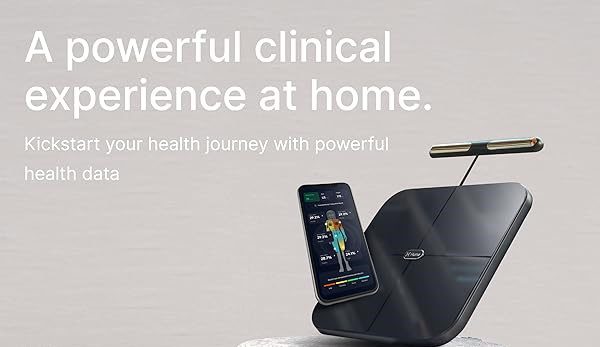
Most people track their health through guesswork: a bathroom scale, a fitness app, maybe a smartwatch that only shows fragments of the picture. The idea behind Hume Health is to change that by turning scattered data into something more connected, more readable, and more useful in daily life.
Instead of focusing only on weight or steps, the system builds a broader view of what’s happening inside the body. It blends body composition tracking, recovery signals, and app-based insights into one ecosystem designed to help people understand trends over time rather than isolated numbers.
“What if your body data actually told you what to do next?”
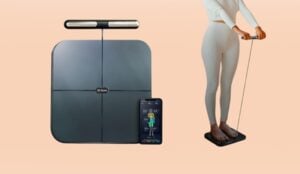
The core promise of Hume Health is not just measurement, but interpretation. Devices like the Body Pod and wearable band are designed to collect multiple health signals and translate them into simple guidance inside an app system.
Instead of overwhelming users with raw data, the platform organizes information into clearer direction:
- How your body composition is shifting over time
- How recovery and sleep influence your energy
- How daily habits affect long-term trends
The real advantage here is not complexity, but clarity. When data becomes easier to understand, decision-making becomes more consistent.
“Why does body composition matter more than weight alone?”
One of the biggest shifts in modern wellness tracking is moving beyond weight as the only metric. Hume Health emphasizes body composition data such as fat mass, muscle mass, and hydration balance, giving a more detailed picture of physical changes.
This matters because weight alone often hides what is actually happening in the body. Two people can weigh the same but have very different internal health profiles. By tracking deeper metrics, users can see whether changes are coming from muscle gain, fat loss, or fluid shifts.
Key benefits include:
- More accurate progress tracking beyond the scale
- Better understanding of fitness or nutrition results
- Reduced confusion when weight fluctuates naturally
It reframes progress from “how much you weigh” to “how your body is changing.”
“Can continuous tracking actually improve daily habits?”
Wearable-based monitoring is where Hume Health extends beyond traditional smart scales. The idea is to observe patterns in recovery, sleep, and readiness so users can connect lifestyle choices to internal outcomes.
When people see how sleep quality affects energy, or how stress influences recovery signals, behavior starts adjusting naturally. It becomes less about discipline and more about feedback.
In practical terms, this leads to:
- Better sleep awareness and routines
- Smarter training or rest decisions
- More consistent energy management
The value is in feedback loops, not just tracking.
“How does data become something people can actually use?”
A common issue with health tech is information overload. Hume Health tries to solve this by combining metrics into simplified insights through its app experience.
Instead of showing dozens of disconnected readings, the system organizes data into trends and summaries. Over time, users can see whether they are improving, plateauing, or drifting away from goals.
What makes this useful is the shift from static reports to evolving patterns:
- Weekly and monthly progress summaries
- Trend-based health scoring
- AI-assisted recommendations based on collected data
It turns complex measurements into something closer to a daily health narrative.
“Is this approach only for fitness-focused users?”
While it may look like a fitness tool at first, Hume Health is designed for a broader lifestyle audience. It’s not just for athletes, but also for people trying to manage weight, improve sleep, or understand long-term health changes.
This matters because health tracking is no longer limited to performance goals. Many users are simply trying to feel more stable, sleep better, or reduce confusion around their body’s changes.
The practical appeal includes:
- Household-level health tracking (multiple users supported in some systems)
- Integration with common health ecosystems
- Use in everyday wellness routines, not just workouts
It fits into normal life rather than demanding a specialized fitness lifestyle.

“What role does consistency play in real health progress?”
One of the most overlooked aspects of wellness tracking is consistency over time. Hume Health emphasizes longitudinal data, meaning it focuses on how the body changes across weeks and months instead of daily fluctuations.
This approach helps reduce the emotional noise of short-term results. A single bad sleep night or temporary weight spike doesn’t define progress anymore.
The benefit of this long-view system is simple:
- More stable motivation
- Better understanding of real trends
- Less reaction to short-term changes
It encourages a calmer, more realistic relationship with health data.
“What actually makes data-driven health different?”
The broader idea behind Hume Health is not just tracking, but interpretation with context. Health becomes less about isolated numbers and more about how different signals interact: sleep, recovery, body composition, and daily habits.
When those signals are connected, people start seeing patterns they would normally miss. That’s where the shift happens—from reactive health decisions to more informed daily choices.
It doesn’t replace effort or lifestyle change, but it gives structure to the process. And for many users, that structure is what makes consistency possible.
“When Health Stops Being Guesswork”
What Hume Health represents is a broader move in wellness technology: turning fragmented health data into something continuous, readable, and personally relevant.
Instead of relying on intuition alone, users get a clearer sense of how their body responds over time. Not perfect certainty, but better direction. And in everyday health, that difference is often what keeps people consistent long enough to see real change.