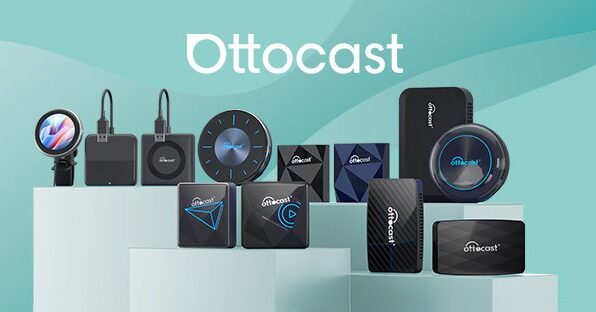
Ottocast is built around one core idea: modern cars shouldn’t feel stuck in old wired systems. Its devices are designed to upgrade factory infotainment setups into wireless CarPlay or Android Auto ecosystems, letting your phone connect to your car automatically without plugging in cables. That shift might sound small, but it changes how people interact with their vehicles every single day.
Instead of fumbling with cords or waiting for connections, your car becomes more like a smart device that simply recognizes you when you start the engine. It’s the difference between “setting up tech” and just driving.
Why wireless CarPlay changes the rhythm of daily driving
One of the most common uses of Ottocast is converting wired CarPlay into wireless. That means navigation, calls, and music start automatically when you enter the car, without physically connecting your phone.
This matters in everyday life more than it seems:
- No more plugging and unplugging your phone every trip
- Less cable wear and clutter in the cabin
- Faster start-up before short commutes
- A cleaner, more seamless dashboard experience
As noted in product documentation, these adapters rely on Bluetooth for pairing and Wi-Fi for stable data transmission, which is what allows the “automatic connection” feeling once set up.
It’s not about adding features, but removing friction from routines you already do every day.
How entertainment transforms the car into a personal space
Beyond basic CarPlay, Ottocast also explores a more advanced direction: turning the car screen into a multimedia hub. Some of its devices support app access and extended interfaces that go beyond navigation and calls, allowing streaming and broader digital use cases depending on the model.
This shifts the car experience from purely functional to something more lifestyle-driven:
- Long drives feel less tiring with entertainment options
- Passengers get more engaging travel time
- Parking downtime becomes usable screen time
- Road trips feel closer to mobile living rooms
The idea is simple: your dashboard is no longer limited to driving tools, but becomes part of your digital life ecosystem.
Why compatibility is the hidden detail that decides everything
A major factor with Ottocast is compatibility. These devices typically require cars that already support factory wired CarPlay or Android Auto. Once that foundation exists, Ottocast acts as a bridge that removes the cable requirement.
That setup brings real-world advantages, but also something to keep in mind:
- Works best with supported factory infotainment systems
- USB port type and data support matter
- Some vehicles may need firmware or setup adjustments
- Initial pairing is the most important step for stability
User experiences and reviews often highlight that installation is usually simple plug-and-play, but consistency can depend on vehicle model and software environment.
In other words, the experience is powerful when aligned correctly with your car’s system.
How small hardware creates big lifestyle convenience
What makes Ottocast interesting isn’t just wireless connectivity, but how a small adapter changes habits. Once installed, it removes the mental step of “connecting your phone,” which is something most drivers don’t think about until it’s gone.
That convenience shows up in subtle ways:
- You get in, drive, and everything just appears on screen
- No distractions from cables or manual setup
- Shared cars become easier to use across multiple drivers
- Daily commutes feel more automatic and less technical
It’s the kind of improvement that doesn’t feel dramatic, but becomes noticeable when you go back to older systems.
Why consistency and reliability matter more than flashy features
With devices like Ottocast, the real value is not just what they can do, but how consistently they do it. Wireless adapters depend on stable pairing between phone, Wi-Fi, and vehicle systems, which means reliability is the key performance factor.
Real-world user feedback often focuses on:
- How quickly the system connects after starting the car
- Whether it reconnects automatically every time
- How stable navigation and audio remain during driving
- Occasional variation between car models and firmware versions
When it works smoothly, it becomes invisible. When it doesn’t, it becomes the only thing you notice. That contrast is what defines the experience.
When driving becomes less about setup and more about flow
At its best, Ottocast removes small interruptions that most drivers have learned to accept as normal. No cables, no repeated pairing, no manual connection steps. Just a car that feels ready the moment you are.
That shift might seem minor, but it changes the emotional feel of driving. Instead of interacting with technology, you’re simply using it in the background while focusing on the road.
The real upgrade is not the device, but the routine it replaces
What Ottocast ultimately represents is a transition from wired inconvenience to invisible connectivity. It doesn’t reinvent driving, but it smooths out the small edges that interrupt it.
And sometimes, that’s what makes a car feel newer: not a bigger screen or louder speakers, but the absence of friction every time you turn the key.