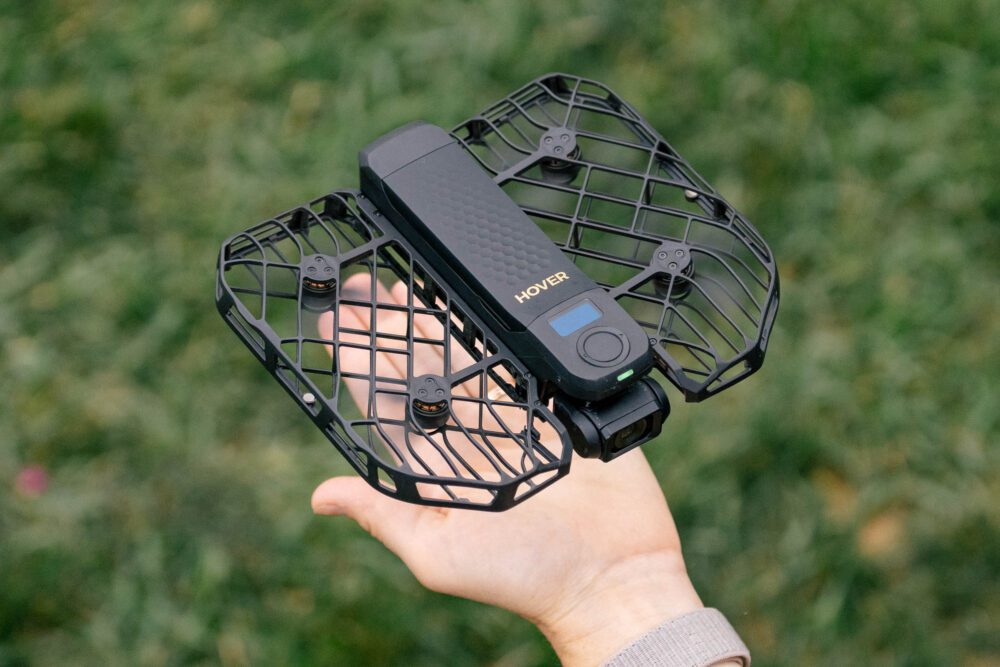
Self-flying cameras have reshaped the way people document their lives, hobbies and travels. For anyone who has struggled with tripods, asked strangers to take photos or simply missed a moment because both hands were occupied, a device that films autonomously offers something genuinely useful. HOVERAir has built a camera around exactly that idea and the results speak through the footage itself.
What Makes a Self-Flying Camera Different
A self-flying camera is not simply a drone with a camera bolted on. It is a device engineered from the ground up to track a subject, maintain safe proximity and return to its owner without manual control. Traditional drones require a pilot to manage altitude, speed and framing simultaneously. A self-flying camera handles all of that automatically, freeing the subject to move naturally rather than performing for a remote operator.
The distinction matters because natural movement produces better footage. Athletes, hikers, cyclists and surfers capture their best moments when they are not thinking about the camera. A device that follows without being commanded allows the action to unfold as it normally would and the resulting content reflects that authenticity in a way that staged or tripod-locked footage rarely achieves.
How Autonomous Flight Changes Aerial Photography
HOVERAir designs its cameras to be compact and stable, with palm-launch capability that removes the need for a flat surface or a dedicated take-off area. The device folds to a portable size, fits in a jacket pocket and deploys in seconds. For travelers, that portability changes what is practical to carry on a trip without adding bulk or requiring a dedicated case.
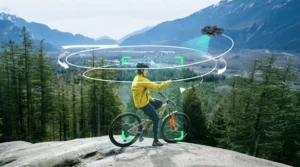
The flight modes available in these cameras are designed around common filming scenarios rather than technical configurations. A user selects a mode, launches the device from their hand and the camera handles the rest. Hover, follow, orbit and zoom-out modes cover the majority of situations a creator encounters in the field, from a static establishing shot to a dynamic tracking sequence that would otherwise require a second operator.
Who Gets the Most Out of This Technology
Self-flying cameras are useful across a wide range of activities and the versatility of the format means different users bring different expectations and find them met. Some of the groups that benefit most include the following.
- Solo travelers who want to document their trips without relying on other people to hold a camera
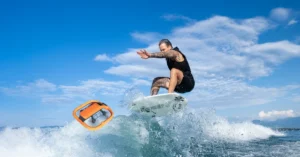
- Outdoor athletes who need a camera that keeps pace during runs, bike rides or climbs
- Content creators looking for consistent aerial footage without a full drone setup or a flight license
- Families who want to capture gatherings and milestone moments from an elevated perspective
- Photographers who want to add motion and altitude to their visual storytelling without hiring additional crew
For each of these users, the core value is the same the camera does its job so the person using it does not have to operate it manually.
Safety and Flight Design
One common concern with any autonomous flying device is safety around people and obstacles. The brand addresses this through shielded propellers and stabilization technology designed to keep the device predictable in motion. The propeller guards reduce the risk of contact injuries, which matters when the camera operates close to its subject rather than at the distances a conventional drone maintains. HOVERAir
The compact size also plays a direct role in safety. A lighter, smaller device carries less kinetic energy than a full-size drone and that physical reality translates to a more comfortable experience when filming in tighter spaces. Indoor venues, wooded trails and urban environments where conventional drones would be impractical or restricted become viable shooting locations with a device that is genuinely pocketable. Discover the full range of models at HOVERAir to find the right fit for your filming environment.
What the Footage Actually Looks Like
Resolution and stabilization are the two metrics that determine whether aerial footage is usable or merely impressive on a spec sheet. Cameras in this category are built to deliver footage that holds up in post-production, with hardware stabilization handling the motion inherent in autonomous tracking flight. Wind, subject acceleration and changes in direction all create challenges for airborne cameras and the engineering addresses those challenges directly rather than relying on heavy software correction after the fact.
The result is footage that can be used directly or with minimal editing, which matters for creators working on tight timelines or sharing content in real time. A clip captured during a morning trail run can be on a feed by afternoon without extensive processing and that speed is part of what makes the format appealing to a generation of creators accustomed to immediate publishing.
Bringing a Self-Flying Camera Into Your Creative Routine
Getting started with a self-flying camera is more straightforward than most people expect. The device requires no piloting license for recreational use in many regions and the learning curve is significantly shorter than a traditional remote-controlled drone. Most users are capturing usable footage within their first session rather than spending hours on calibration and practice flights.
The companion app provides access to all flight modes and settings and footage transfers to a connected device for editing or sharing. For anyone already using a smartphone as their primary creative tool, the workflow integrates naturally. HOVERAir fits into an existing content creation routine rather than demanding a new one and that low-friction entry point is a large part of why creators who try it tend to keep it in their kit permanently.
Self-flying cameras represent a genuine shift in how individuals document their lives and the brand sits at the front of that shift with hardware that is portable, capable and built for real-world use from the first flight.