Taking up a new outdoor sport is one of the more rewarding decisions a person can make. But the moment most beginners start looking at equipment, the sheer number of options can feel overwhelming. Which running shoe is right for a flat foot? Does a beginner cyclist actually need clipless pedals? What makes one tent better than another for weekend camping? These questions have straightforward answers once you know what to look for and getting that foundation right from the start saves both money and frustration.
Why Starting Simple is the Right Move
Beginners often feel pressure to buy professional-grade equipment right away, fearing that entry-level gear will limit their progress. In practice, the opposite is closer to the truth. High-performance equipment designed for experienced athletes assumes a level of technique, physical conditioning and familiarity with the sport that takes months or years to develop. Starting with well-designed mid-range kit lets you focus on developing the fundamental skills, form, fitness and understanding of the sport, before the nuances of specialist gear become relevant.
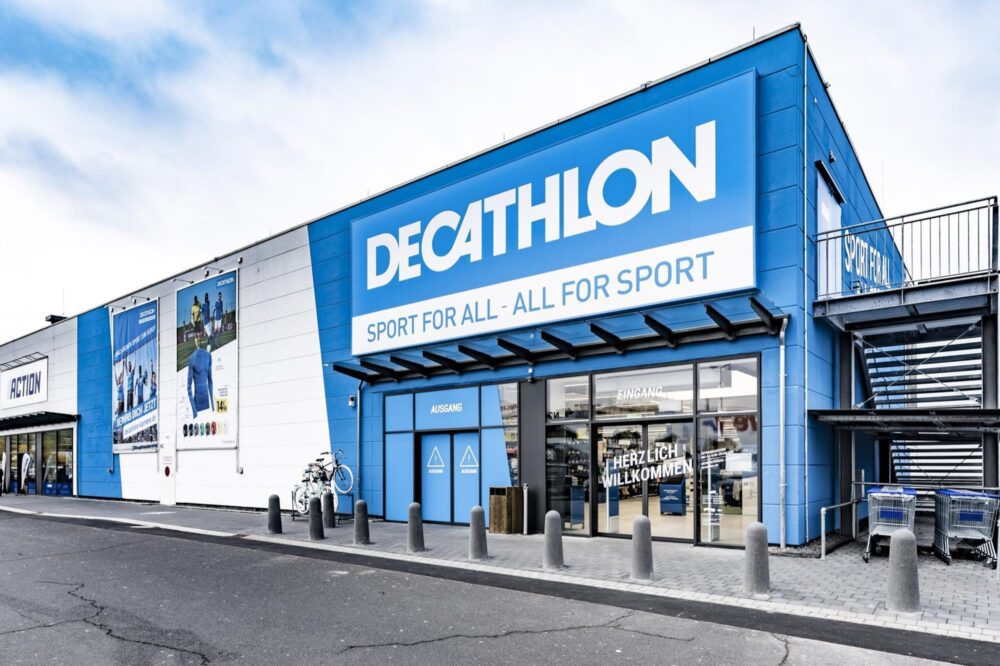
A beginner mountain biker, for instance, benefits more from a sturdy, reliable hardtail bike with consistent brakes than from a full-suspension trail bike with complex adjustability. Decathlon has built its beginner-oriented range around this principle, offering equipment that performs reliably without unnecessary complexity.
Outdoor Sports That Welcome New Participants
Some outdoor sports have steeper learning curves in terms of equipment than others. Here are a few that are particularly beginner-friendly and what to prioritise for each
- Running, focus on correct shoe fit and cushioning type rather than pace-related features like carbon plates
- Cycling, frame geometry and fit matter more than component spec for most beginners
- Hiking, waterproof footwear, a comfortable pack and layered clothing cover most conditions
- Swimming, a well-fitting swimsuit and basic goggles with a UV-protected lens are sufficient for open water or pool sessions
- Football and team sports, kit compatibility with weather and surface type is more important than brand or aesthetics
For each of these activities, Decathlon organises its ranges by sport and skill level, making it easier to identify the right starting point without having to evaluate every product individually.

Fit and Comfort Come Before Features
Across every outdoor sport, the single most important quality in beginner equipment is how well it fits and how comfortable it is during activity. A technically advanced running shoe in the wrong width will cause blisters, joint pain and discouragement. A cycling jersey that restricts shoulder movement makes long rides unpleasant enough that many people give up before developing a real feel for the sport.
When evaluating any piece of kit, try to simulate the actual range of movement the sport requires. Squat in those hiking trousers. Reach forward in the cycling jersey. Run a few steps in those trail shoes before committing. Equipment that restricts movement in the shop will restrict it even more after an hour of activity. Decathlon offers size guides and returns policies designed with this testing mindset in mind.
Layering and Adaptability in Outdoor Conditions
Outdoor sports expose participants to changing weather conditions in a way that indoor activities do not. Understanding the layering system, base layer, mid layer and outer shell, is one of the most practical pieces of knowledge any outdoor beginner can acquire. Each layer serves a distinct purpose the base layer manages moisture against the skin, the mid layer retains warmth and the outer shell blocks wind and rain.
Not every outdoor session requires all three layers, but knowing the system means you can adapt quickly as conditions change. For beginners who mostly train in mild weather, a moisture-wicking base layer and a lightweight windproof jacket cover most scenarios. As training intensity and duration increase, the mid layer becomes more relevant. Decathlon stocks complete layering systems for most outdoor sports, making it possible to build a full kit incrementally rather than buying everything at once.

When to Upgrade and What to Prioritise
Upgrading equipment too soon is one of the most common and most avoidable beginner mistakes. A useful benchmark if you find yourself regularly limited by your current equipment, not by your technique or fitness, that is a genuine signal that an upgrade makes sense. A trail runner who consistently finds their shoes giving out on technical descents has genuinely outgrown entry-level footwear. A cyclist who can maintain consistent power output is ready to consider whether their drivetrain is holding them back.
When upgrading, prioritise the single item that most directly affects performance in your specific context. Spreading a budget across multiple mediocre upgrades produces less improvement than one well-chosen quality upgrade. The range available at Decathlon makes it practical to upgrade individual components progressively, replacing items as needs evolve without overhauling an entire kit at once.
Building a Long-Term Relationship With Sport
The goal of beginner equipment is not just to get started, it is to support the consistency that leads to genuine improvement and enjoyment over time. Gear that is comfortable, reliable and appropriate for the current skill level removes one of the main reasons people stop training equipment frustration. When kit works as expected and feels right, showing up for the next session requires less mental effort.
Starting a new outdoor sport is one of the more sustainable investments in long-term wellbeing and getting the equipment side right from the beginning is a straightforward part of making that investment work. Browsing what Decathlon offers for the sport you have chosen is a practical first step toward building a setup that grows with you as your skills and enthusiasm develop.