A brighter smile draws attention, but most people are not sure where to start when it comes to choosing a whitening method that actually works. Walk-in dental office treatments are effective, but professional whitening appointments are not always accessible or convenient. The good news is that the at-home teeth whitening category has grown considerably and shoppers now have access to professional-grade options without needing to book a chair. Direct Teeth Whitening is one of the better-known sources for this type of product, carrying whitening gels, strips, trays and toothpastes that mirror what dental offices stock.
What Makes At-Home Whitening Worth Considering
Teeth discoloration happens gradually and is driven by everything from coffee and tea to red wine, certain medications and simply the passage of time. Enamel is porous and surface stains settle in over months and years. At-home whitening products work by delivering a bleaching agent, usually hydrogen peroxide or carbamide peroxide, directly to the enamel surface. With consistent use, these formulas lift embedded stains and restore a noticeably lighter shade. The key difference between products that work and those that disappoint usually comes down to the concentration of the active ingredient and how well it stays in contact with the teeth during treatment.
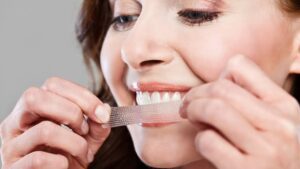
Whitening strips, for example, rely on a thin flexible backing coated in gel. They stick against the tooth surface and hold the bleaching agent in place for a set period, typically 15 to 30 minutes. Gel syringes paired with custom or universal trays take a similar approach but tend to offer more even coverage because the tray conforms closely to the tooth shape. Whitening toothpastes sit at the lighter end of the spectrum and work best as a maintenance tool rather than a primary treatment.
Strips vs. Gel Trays, Choosing the Right Format
Both strips and gel trays deliver results, but the experience differs enough that personal preference matters. Strips are thin, easy to apply and require no preparation beyond opening the package. They suit people who want to whiten during a commute, a lunch break or while watching television. Some users find that strips miss the spaces between teeth or ride up over the gumline, which affects evenness.
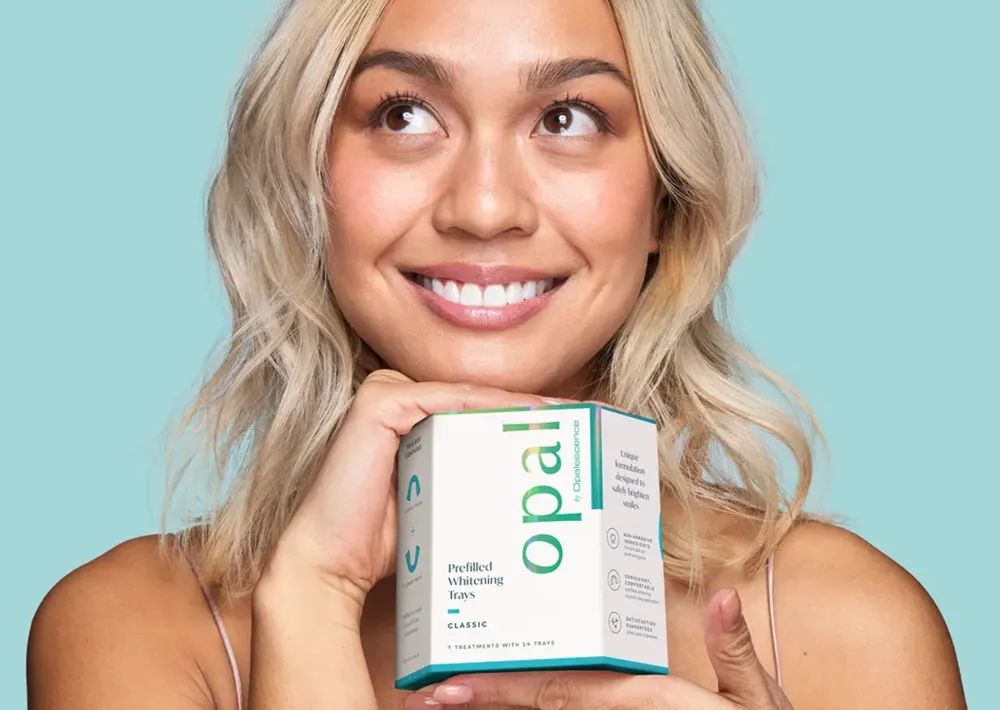
Gel trays address that concern. When a tray fits well, the gel fills around each tooth and reaches into the contact points between teeth. Over a treatment course of one to two weeks, this tends to produce a more uniform result. For anyone who has tried strips without being fully satisfied, moving to a tray-based system is a natural next step. Direct Teeth Whitening stocks both formats along with the supplies needed to use them, including syringes, remineralizing gel and replacement trays.

Sensitivity and How to Manage It
Tooth sensitivity during or after whitening is the most common concern people raise. The bleaching agents open the enamel pores temporarily and if the nerves inside the teeth respond, the sensation can range from mild awareness to sharp, brief pain when breathing cold air or drinking something hot. Sensitivity is usually short-lived and settles within 24 to 48 hours of completing a treatment session.
A few strategies help reduce discomfort. Using a lower concentration gel for longer and spacing out sessions rather than whitening every day gives the teeth time to remineralize between treatments. Remineralizing gel applied after a whitening session actively replaces minerals in the enamel and noticeably reduces sensitivity for most users. Switching to a sensitivity-formulated toothpaste for the duration of a whitening course is another standard recommendation. Direct Teeth Whitening carries remineralizing products specifically for use alongside whitening treatments, making it straightforward to manage sensitivity from the same supplier.
Products That Fit a Regular Routine
Whitening works best when it becomes part of a regular oral care habit rather than a one-off attempt. A practical routine might look like this
- Use whitening strips or a gel tray three to four times per week for two weeks as an initial treatment phase
- Apply remineralizing gel on off days or immediately after whitening sessions to support enamel health
- Switch to a whitening toothpaste for daily brushing to maintain the shade between treatment cycles
- Return to a full strip or gel tray cycle every few months to address new staining from diet and lifestyle
- Store gel syringes in the refrigerator between uses to preserve potency over the full treatment period
This kind of consistent approach compounds over time. The initial cycle does most of the lifting, but maintenance is what keeps the result visible month after month. People who treat whitening as a one-time event often find the shade fades faster than expected. Building the habit takes the same amount of product but spreads results over a much longer window.
Reading the Ingredient Label
Whitening products sold for home use vary widely in how much active ingredient they contain. Strips available at supermarkets tend to sit at the lower end of peroxide concentration. Products sold through dental suppliers or specialist retailers like Direct Teeth Whitening often carry higher concentrations comparable to what dental offices dispense for take-home kits. Carbamide peroxide breaks down into hydrogen peroxide over time, making it gentler and better suited to extended overnight wear. Hydrogen peroxide acts faster and is typically used in shorter, daytime sessions.
Neither is universally superior. The right choice depends on how quickly a person wants to see results, how sensitive their teeth are and whether they prefer short daytime sessions or overnight trays worn while sleeping. Reading the product description carefully before purchasing prevents mismatch between expectations and the format on hand.
Getting the Most from Each Treatment Session
A few habits reliably improve outcomes regardless of which whitening format a person chooses. Brushing teeth before a whitening session removes surface plaque that would otherwise sit between the gel and the enamel, reducing the product’s contact with the tooth surface. Avoiding deeply pigmented foods and drinks, particularly coffee, tea and red wine, for at least one hour after whitening reduces the chance of new staining settling into freshly opened enamel pores. Staying consistent with the schedule on the product packaging rather than extending sessions in the hope of faster results protects the enamel from unnecessary exposure.
Anyone looking to refresh their smile with a method that fits their schedule and budget has more good options available than ever. Direct Teeth Whitening brings professional-grade whitening products into the home setting, making it possible to work through a complete treatment course without a clinic visit.