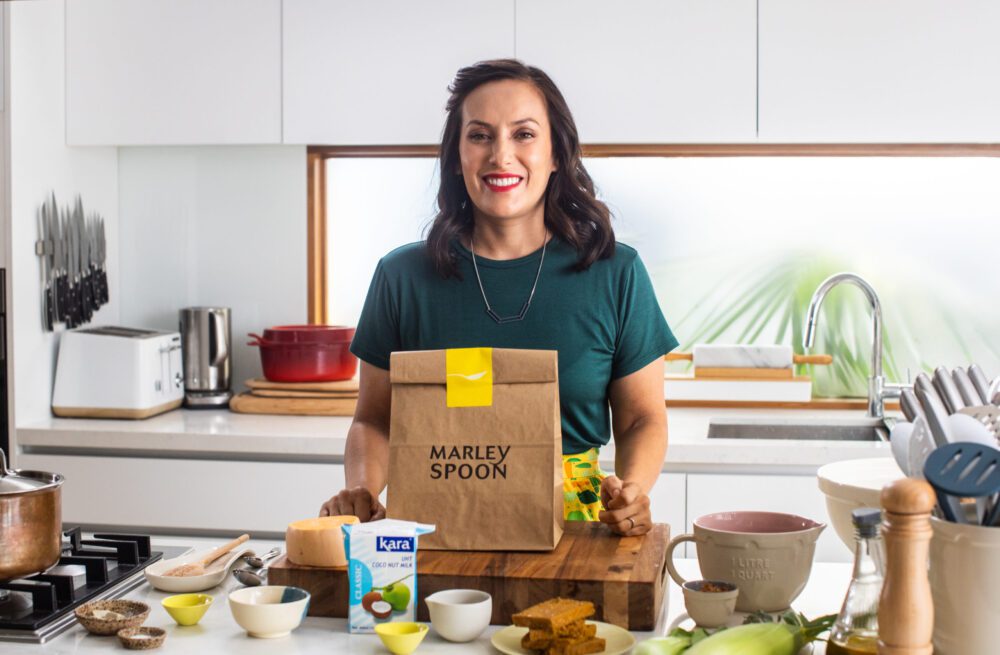
Home cooking fell out of habit for many households as schedules became busier and the mental load of planning, shopping and executing a meal from scratch started feeling like work. Meal kit delivery services addressed that friction directly by removing the planning and shopping and leaving only the cooking. The result is a model that has found lasting traction among people who want real food at home but cannot spend an hour deciding what to make and another hour tracking down ingredients.
What Meal Kits Actually Solve
The appeal of meal kits is not just convenience. The grocery store is not the problem for most households, the mental overhead before arriving is. Deciding what to cook, checking what is already in the pantry, building a shopping list and then navigating a full supermarket with a list that never captures everything correctly each step introduces friction that over time erodes the habit of cooking at home.
Meal kits remove most of that friction by delivering pre-portioned ingredients with clear instructions. There is no waste from buying a bunch of herbs when only a sprig is needed. There is no decision fatigue because the menu is already chosen. The cook can focus entirely on the enjoyable part of the process actually preparing and eating something good. Marley Spoon operates on this principle with a rotating weekly menu of chef-designed recipes that cover a range of cuisines and difficulty levels.
Recipe Variety and Cooking Skill
One concern people have before trying meal kits is whether they will be able to follow the recipes. Kits from strong providers are designed to guide people through unfamiliar techniques in a way that builds confidence rather than causing frustration. Instructions are written for a home kitchen and include timing guidance so multiple components come together correctly.
The variety matters too. A service with a limited or repetitive menu quickly loses its appeal. The best providers rotate their menus regularly and cover a wide enough range of cooking styles that households with different dietary preferences can find something appealing each week. Marley Spoon works with recognisable recipes from Martha Stewart’s extensive archive alongside original chef creations, which gives the menu a depth that other services struggle to match.

Ingredients, Sourcing and What Ends Up on the Plate
The quality of what arrives in the box determines the quality of what ends up on the plate. Meal kits are only as good as their sourcing. Pre-portioned convenience means nothing if the produce is limp, the protein is of poor quality or the sauces are built around additives that belong in a processed food aisle rather than a home kitchen.
Better services are transparent about where ingredients come from and make sourcing a priority rather than an afterthought. Fresh vegetables, properly handled protein and sauces made from recognisable ingredients make a noticeable difference in the finished dish. For households moving away from heavily processed convenience food, the quality of meal kit ingredients is often a genuine step up, not a compromise.
- Pre-portioned ingredients reduce food waste and eliminate overbuying
- Fresh produce delivered to the door removes a regular trip to the supermarket
- Chef-designed recipes introduce new techniques and flavour combinations gradually
- Flexible weekly menus let households adjust portions and skip weeks without commitment
- Cooking at home with quality ingredients typically produces better nutritional outcomes than takeout
Household Fit Families, Couples and Solo Cooks
Meal kits work differently depending on household size. For couples, two-serving kits keep food fresh without generating leftovers that go unused. For families, larger portion options mean a single kit covers the table without needing to double up on orders. For solo cooks, two-serving kits often work well as a lunch and dinner combination or as a way to extend an enjoyable recipe across two meals.
Flexibility is essential in this format. Life changes week to week and a meal kit service that requires a rigid commitment becomes a source of stress rather than relief. The ability to skip a week, change portion sizes or swap recipes before the cutoff date makes the service fit around real life rather than the other way around. Marley Spoon builds this flexibility into its subscription model, allowing households to manage deliveries in a way that suits their schedule.

Fitting Meal Kits Into a Broader Cooking Routine
Meal kits are not an all-or-nothing commitment. For most households, they work best as part of a broader routine rather than as a total replacement for other ways of eating. A few kit nights per week alongside simple weeknight meals from pantry staples and a takeout night creates a balance that keeps cooking enjoyable without feeling like an obligation.
The skills that come from following well-written recipes also transfer. Households that cook regularly from meal kits tend to expand their repertoire over time, gaining familiarity with techniques and ingredient combinations that eventually become part of their own cooking without instructions. That compound benefit is one of the less obvious but genuine advantages of the format over simply ordering delivery.
How to Get Started Without Overthinking It
The easiest way to evaluate a meal kit service is to pick a week with two or three dishes that look genuinely appealing and cook them. Feedback from one week of real use tells more than any review. Does the food taste as good as it looked? Were the instructions clear? Did the ingredients arrive in good condition? Did the experience make cooking feel like something worth doing again tomorrow?
For households that have been on the fence about trying a meal kit service, Marley Spoon offers a menu broad enough to find a starting point regardless of dietary preference or cooking confidence. The format removes enough friction from home cooking that most households who try it find themselves cooking more often than before, which is the point.
Good food at home does not require hours of planning. It requires a good starting point.