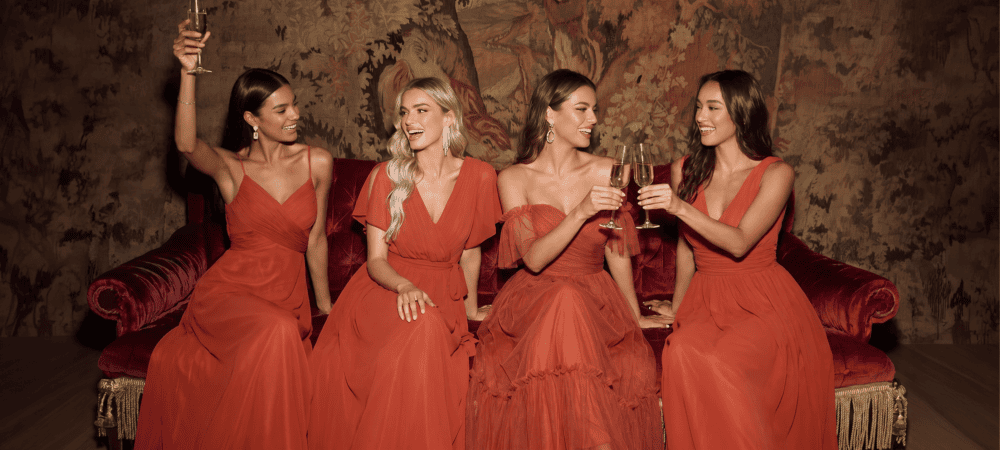
Shopping for a formal dress involves more than picking a color and hoping the sizing works out. The silhouette, fabric, length and overall construction all shape whether a dress works for a particular event and body type. Ever Pretty has built its catalog around women’s formal wear that addresses this range directly, offering designs suited to weddings, galas, graduations and formal dinners without requiring a custom-made price tag or a specialist boutique visit.
Why Silhouette Is the Starting Point for Any Formal Dress
Silhouette determines how a dress distributes visual weight and where it creates structure. An A-line cut is one of the most universally flattering shapes because it cinches at the waist and flows outward, balancing the proportions of most body types without restriction. Ball gowns create drama through volume and are best suited to large formal venues where the scale of the dress matches the setting. Fitted sheath dresses work well for hourglass or more athletic frames, while empire-waist styles suit people who prefer minimal emphasis on the waist and hip area.
Ever Pretty dresses are produced across all these silhouettes, which means a person shopping for a specific occasion can filter by dress shape first and then narrow by color or fabric rather than sorting through an undifferentiated mix of styles. That kind of structured browsing makes the decision considerably more efficient.
Fabric Choices and How They Affect the Finished Look
The fabric inside a formal dress determines how it drapes, moves and photographs. Chiffon is a popular choice for bridesmaid dresses and formal events because it falls softly, photographs well under natural and artificial light and remains comfortable over a long evening. Satin creates a rich, structured finish with a subtle sheen, ideal for colder seasons or evening events with a more elevated dress code. Lace is frequently used as an overlay or detail element, adding texture without the rigidity of a fully structured fabric.
Stretch fabrics and knit blends have become more common in formal wear because they offer fitted silhouettes without the discomfort of non-stretch construction. For anyone who finds traditional formal fabrics restrictive during extended events, a dress with some stretch content makes a practical difference over a four-hour reception or ceremony.
Matching the Dress to the Type of Event
Not all formal events carry the same dress code and choosing correctly requires reading the event more carefully than just the label. A black-tie optional wedding calls for floor-length evening wear, while a garden party with a smart-formal code is better served by a midi or tea-length dress in a lighter fabric. Company events often call for something that reads as polished without veering into full-length gown territory, while a formal gala typically calls for the most elevated option in a wardrobe.
- Wedding guest floor-length or midi, avoid white or ivory, choose a fabric appropriate to the season and venue.
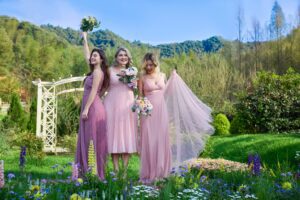
- Bridesmaid coordinated with the wedding party, often in a specific color family, chiffon and satin are the most common choices.
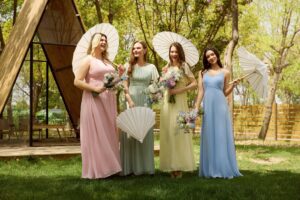
- Graduation tea-length or midi works well for outdoor ceremonies; longer gowns suit indoor evening events.
- Gala or black-tie event floor-length, structured or flowing, classic color palette or a single bold statement color.
- Cocktail party knee-length to midi, more latitude on fabric and embellishment than strictly formal events.
Browsing Ever Pretty dresses by occasion category is one of the more efficient ways to identify which styles the brand has designed with a specific event context in mind, rather than guessing which of a general selection might translate well.
Getting the Right Fit When Buying Online
Online dress shopping introduces a sizing variable that does not exist in a fitting room. Formal dresses are not typically sized the same way as everyday clothing, a standard size 12 in casual wear may correspond to a different number in a formal sizing chart. Measurement-based sizing, where the chest, waist and hip measurements are matched against the brand’s own size chart rather than a generic standard, produces far better results than guessing based on a familiar size label.
Taking three measurements, bust at the fullest point, natural waist and hips at the widest point and comparing them directly to the specific dress’s size guide eliminates most fit issues before they happen. If measurements fall between two sizes, it is generally better to order the larger size and have minor alterations made than to size down and find the dress too restrictive at the waist or hip. Ever Pretty provides detailed size charts for each style, which makes this process straightforward rather than a guessing exercise.
Color Selection and Its Role in Formal Dressing
Color choice in formal wear carries more weight than in casual dressing because formal fabrics amplify hues. A navy satin will read richer and more intense than a navy cotton and a blush chiffon will appear softer and more diffused than a blush jersey. Considering both skin tone and the event’s color scheme before choosing helps avoid a dress that photographs differently than it appeared on screen.
Neutral and classic tones, navy, wine, forest green, dusty rose and black, hold their relevance across multiple event types and seasons, which makes them practical investments for a wardrobe that will see the dress worn more than once. Bold colors and unusual shades make stronger statements but require more confidence in the specific context. Ever Pretty dresses span both ends of that spectrum, with the full color range visible on each style page to support accurate color comparison before purchase.
Completing the Formal Dress with Accessories and Styling
Even the most well-chosen dress benefits from accessories that pull the full look together. Heel height affects both proportions and the effective length of a floor-length gown, a lower heel will show more of the hem, while a higher heel shortens the visible skirt considerably. Jewelry should complement the neckline of the dress rather than compete with it a dress with intricate beading or a statement neckline works better with minimal earrings, while a simple scoop or V-neck leaves room for more substantial pieces.
A wrap or evening jacket adds both warmth and versatility for events that move between indoor and outdoor settings. Formal clutches or small structured bags suit the occasion better than everyday crossbody styles. Getting these elements right rounds out a formal look that reads as genuinely considered from every angle.
A formal dress that fits correctly, suits the event and photographs well is far from a compromise and finding one is considerably easier when the selection starts with silhouette and sizing rather than color alone.