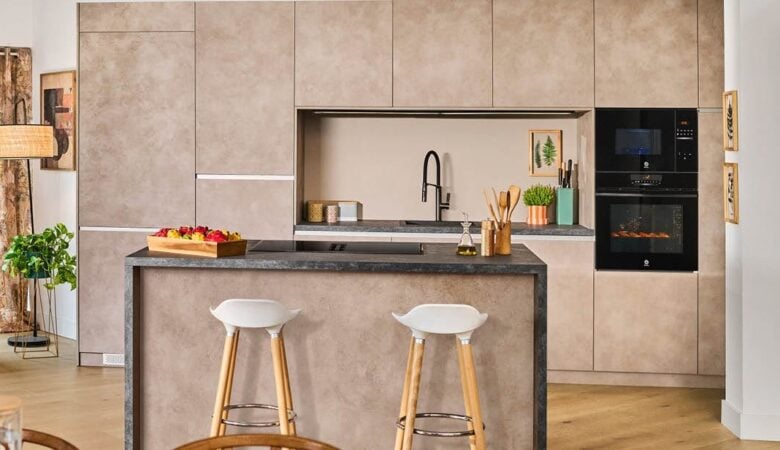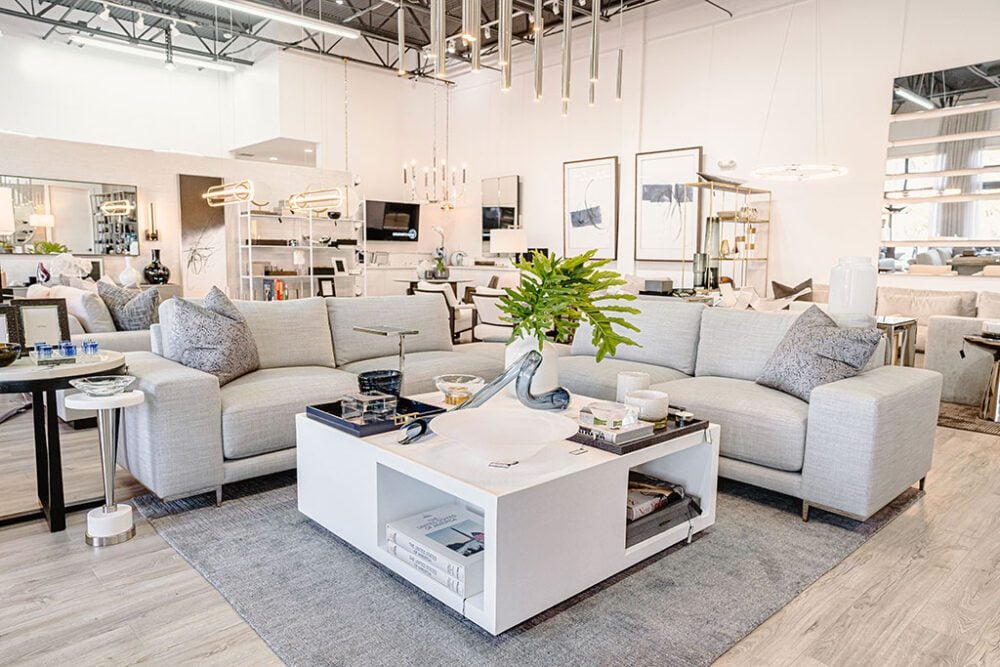
Most people spend more time in their homes than anywhere else, yet the process of actually furnishing and decorating one tends to feel rushed, arbitrary or driven by whatever happens to be in stock at the time. The result is often a collection of pieces that do not quite work together or items that looked good in isolation but feel mismatched once they share a room. Building a home that genuinely reflects how someone wants to live requires more thought than impulse and more patience than a single weekend shopping trip. DHS offers a wide range of home furnishings and decor that makes it easier to find pieces that actually belong together, backed by the kind of product selection that suits different tastes and room types.
Starting with the Right Foundation Pieces
Every room needs a few anchor pieces that set the tone for everything else. In a living room, that is usually the sofa. In a bedroom, the bed frame and storage. In a dining room, the table and chairs. These foundational items define the scale and visual weight of a space, so getting them right matters more than any decorative accent added later.
When choosing foundation pieces, proportion is the first consideration. A sofa that is too large for a room makes the space feel cramped; one that is too small looks lost and disconnected from the rest of the furniture. Measuring the room carefully before committing to anything avoids this common mistake. Material and construction also deserve attention at this stage. Solid wood frames and high-density foam tend to outlast cheaper alternatives significantly, making them worth the additional upfront consideration. A well-made foundation piece does not need replacing every few years, which ultimately saves both money and hassle.

Choosing Furniture That Balances Style and Function
Style and function are not opposites, the best furniture manages both without sacrificing either. A beautiful dining table that wobbles is frustrating to use. A sofa that is supremely comfortable but visually dominant in the wrong way can throw an entire room off balance. The goal is to find pieces where the design serves the function rather than competing with it.
Storage is where function often gets overlooked. Most homes do not have enough of it and the result is visual clutter that undermines even the most carefully chosen decor. Furniture with built-in storage, ottomans with lids, beds with drawers, sideboards with deep shelving, solves two problems at once. DHS carries furniture across multiple categories that prioritises this kind of practical design, making it straightforward to find pieces that serve the room rather than simply occupy it.
The Role of Textiles in Making a Room Feel Finished
Textiles do more for a room than people tend to credit. Curtains, rugs, cushions and throws add warmth, texture and acoustic softness that hard surfaces cannot provide. A room without any soft furnishings feels bare and echoey regardless of how good the furniture is. A rug in particular anchors a seating area and defines it visually as a distinct zone within a larger open space.
When choosing textiles, a few principles worth keeping in mind include the following:
- Layer textures rather than colours, mixing linen, wool and cotton in similar tones adds depth without visual chaos.
- Choose rugs large enough for at least the front legs of all furniture to sit on the edge.
- Keep curtains close to ceiling height to draw the eye upward and make ceilings feel higher.
- Use cushions in odd numbers for a more relaxed, natural look on sofas and beds.
- Invest in quality where it will be touched most, blankets, pillow covers and chair cushions take the most daily wear.
These small adjustments consistently improve how a room feels without requiring major purchases or structural changes. Textiles are also one of the easiest elements to swap out seasonally or as taste evolves over time.
Lighting and Accessories That Complete the Look
Lighting is the most underestimated element in home design. Overhead ceiling lights alone produce a flat, harsh environment that most people find uncomfortable in the evenings. Layered lighting, combining ambient, task and accent sources, creates a far more liveable and visually interesting space. Table lamps, floor lamps and wall sconces each contribute a different quality of light that shifts the atmosphere of a room entirely.
Accessories complete the picture in a different way. Artwork, plants, ceramics, trays and books give surfaces a sense of life and personality that furniture alone cannot achieve. The key is restraint, too many accessories create visual noise while too few leave a room feeling sterile. A curated selection of a few meaningful pieces tends to read far better than a crowded surface covered in unrelated objects. DHS stocks a range of accessories and lighting options that complement their furniture range, making it practical to shop for a cohesive look without hunting across multiple retailers.
Building a Home That Genuinely Feels Like Yours
The best-looking homes are not necessarily the ones with the most expensive pieces or the most rigid adherence to a single design style. They are the ones that feel considered, where each element has been chosen with some awareness of what surrounds it. That kind of result takes time and it is built incrementally rather than all at once.
Shopping thoughtfully rather than reactively is what makes the difference. Waiting for the right piece rather than settling for what is immediately available usually produces a result worth living with for years. For those who want a reliable source for home furnishings and decor that covers a range of rooms and styles, DHS provides a practical starting point for building a home that reflects real life rather than a showroom ideal.
A home that works well is built piece by piece, with each addition considered in relation to what is already there. Getting that process right from the start makes everything that follows easier.