Back pain is one of the most common reasons people visit a doctor, miss work or cut short the activities they enjoy most. Yet the environments where most people spend the majority of their waking hours, their office chairs, their car seats, their beds, are rarely designed with spinal health as the primary concern. Relax The Back has spent decades addressing this gap, building a product range centred on ergonomic furniture and therapeutic tools that treat back discomfort not as a fact of life but as a problem worth solving properly.
Why Seating Matters More Than Most People Realise
The human spine is not designed to hold a single position for hours at a time. Office work, long commutes and extended screen use all place sustained pressure on the lumbar spine, compress spinal discs and force postural compensation that creates tension in the neck and shoulders. Standard chairs, including most marketed as “office” chairs, rarely account for the natural curve of the lower back, the varying heights of different users or the need for micro-adjustment throughout the day.
Ergonomic seating approaches these problems differently. Adjustable lumbar support, seat depth customisation, armrest positioning and recline tension are not luxury features; they are the minimum requirements for a chair to genuinely support the body over a full working day. Relax The Back carries a curated selection of seating that meets these standards, including zero-gravity recliners and high-specification task chairs built for sustained use.
Zero-Gravity Recliners and the Science Behind the Position
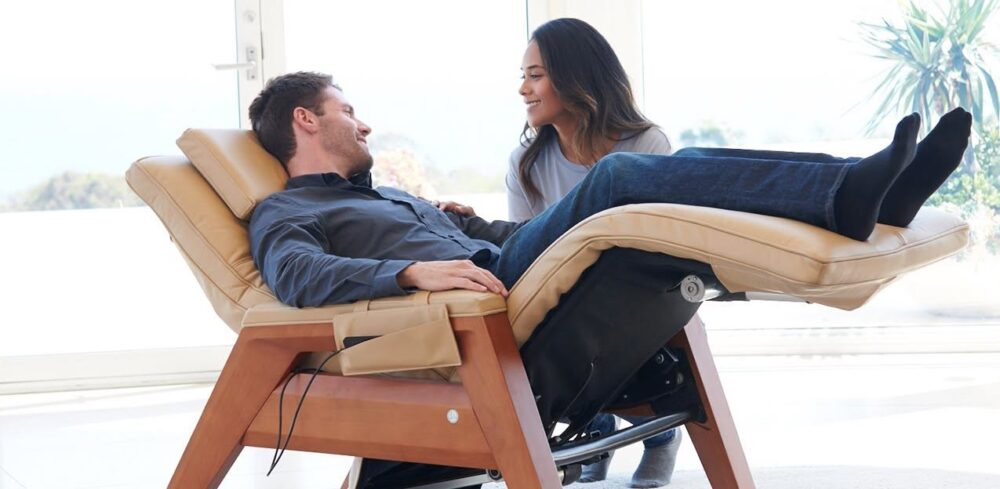
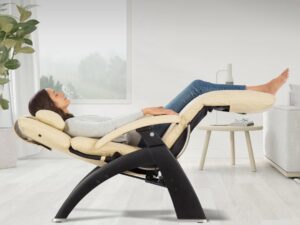
The zero-gravity position, knees raised to roughly the same level as the heart, spine decompressed, weight distributed evenly, was originally developed for use in space to reduce the stress of launch on astronaut bodies. The same principle applies to everyday recovery. When the body settles into this position, spinal pressure drops, circulation improves and muscle tension eases in ways that a standard reclined chair rarely achieves.
Zero-gravity recliners have become one of the signature product categories at Relax The Back and the range reflects significant variation in build quality, upholstery and adjustment mechanisms. Understanding which model suits a specific use, active recovery after sport, relief from chronic lower back tension or simply a better way to read or watch television, helps narrow the choice considerably before visiting a showroom or browsing online.
What to Look for in an Ergonomic Office Chair
Not all ergonomic office chairs perform equally and the most expensive option is not always the best fit for a particular body type or work style. The following are the adjustments that make a meaningful difference in daily use
- Lumbar support that can be moved up or down independently of seat height, static lumbar inserts rarely land in the right position for every user.
- Seat pan depth adjustment to accommodate different leg lengths and reduce pressure behind the knees during extended sitting.
- Armrests that adjust in height, width and angle so forearms can rest without raising the shoulders or restricting movement.
- A recline mechanism with adjustable tension that allows gentle movement rather than locking the spine in one fixed position.
- Breathable mesh or high-density foam that prevents heat build-up over long periods of use.
Mattresses and Sleep as Part of Back Health
Daytime seating is only part of the picture. Sleep posture, mattress support and pillow alignment all affect how the spine recovers overnight and poor sleep ergonomics can undo the benefits of even the best daytime chair. A mattress that sags, fails to support the lower back or positions the spine in lateral flexion for seven or eight hours contributes to morning stiffness and chronic discomfort that builds over time.
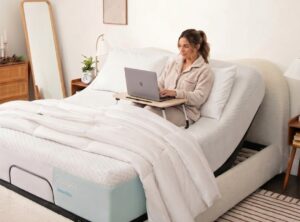
Adjustable beds and therapeutic mattresses form a significant part of the Relax The Back product range. An adjustable base allows the head and foot of the bed to be raised independently, which is particularly useful for those who experience greater discomfort when lying flat or who need to elevate the legs for circulation or swelling. Paired with a suitable mattress, these beds allow sleep position to become part of an active approach to back care rather than an afterthought.
Therapeutic Tools That Complement Ergonomic Furniture
Furniture provides structure, but the body also benefits from active therapeutic input. Massage chairs, inversion tables and lumbar support cushions all address different aspects of back tension and spinal decompression. Inversion therapy, in particular, has a body of research behind it for temporary relief from disc-related discomfort and inversion tables designed for home use have become a more accessible option for people managing chronic lower back conditions under medical guidance.
Back stretching devices, heat therapy products and posture correctors round out the category, giving users tools that work between longer sessions in an ergonomic chair or after a night’s sleep. Relax The Back organises these products clearly enough that shoppers can identify what addresses their specific type of discomfort rather than navigating a general wellness catalogue.
Making an Informed Purchase Decision
Ergonomic furniture is a considered purchase and the range of options available can be genuinely overwhelming without a clear starting point. Body weight, height, existing conditions, the type of work being done and the number of hours spent sitting each day all affect which product will deliver the best outcome. Showroom consultations, where available, allow customers to sit in chairs and test recliners before committing, which is valuable for high-value purchases that the body will rely on daily.
For those who prefer to research and buy online, the product detail pages at Relax The Back include specification data, recommended use cases and customer reviews that reflect long-term use rather than first impressions.
Investing in furniture that actively supports the spine pays returns in comfort, mobility and the ability to stay active and those returns compound over time in ways that a standard office chair rarely delivers.