A few years ago, cannabis products were still largely divided into two extremes. Either they were marketed toward heavy recreational users or framed strictly around wellness. But something fascinating happened as younger consumers started rethinking alcohol, stress management, sleep, and social rituals. The lines blurred completely.
Today, people are no longer only looking for ways to get “high.” They are searching for ways to unwind without hangovers, improve sleep without feeling groggy, socialize differently, manage stress more intentionally, and create calmer routines that actually fit modern life.
That shift is exactly why brands like Mood suddenly feel incredibly relevant. Instead of organizing products around old-school cannabis culture, Mood leans into something much more modern: effect-based experiences designed around how people actually want to feel.
Relaxed. Focused. Sleepy. Happy. Creative. Calm.
And in 2026, that approach fits perfectly into a generation redefining wellness, socializing, and self-care altogether.
The “Wine Mom” Era Is Quietly Being Replaced by Functional Relaxation
One of the biggest cultural changes happening right now is how people think about relaxation. For years, alcohol dominated stress relief culture. A stressful day ended with wine, cocktails, or nightlife rituals that often left people feeling worse physically the next morning. Now, younger consumers especially are questioning that cycle.
The sober curious movement continues growing as more people reduce alcohol consumption without necessarily identifying as fully sober. Instead of eliminating social experiences, many consumers are exploring alternatives that feel lighter, more controlled, and easier to integrate into daily life. THC beverages, gummies, and hemp-derived products have benefited heavily from this shift.
Mood fits directly into this evolving lifestyle because the company frames cannabis less like rebellion and more like customizable mood support. The platform organizes products around emotional states and desired experiences rather than overwhelming strain terminology. Categories like “Chill,” “Happy,” “Focused,” “Creative,” and “Sleepy” make cannabis feel more approachable for modern consumers.
That accessibility matters because many newer consumers are not traditional cannabis enthusiasts. They are professionals, parents, creatives, remote workers, wellness-focused shoppers, and people simply looking for gentler ways to decompress. Cannabis culture itself is becoming softer, calmer, and more lifestyle-oriented.
Why “Mood-Based Shopping” Changed Cannabis Marketing Completely
One reason Mood stands out is because the brand recognized a major consumer behavior shift early. Most people do not actually shop based on cannabinoids alone. They shop based on how they want to feel.
Sleep support. Calmness. Social ease. Energy. Physical comfort. Focus.
That emotional-first approach has become increasingly common across wellness industries overall. Consumers are less interested in technical ingredient lists by themselves and more interested in practical outcomes that fit daily routines.
Mood organizes products accordingly, offering gummies, flower, beverages, vapes, concentrates, and pre-rolls connected to specific moods and functional goals.
This especially appeals to newer users who may feel intimidated by traditional cannabis terminology. Instead of needing deep knowledge about terpenes or strain genetics, shoppers can simply browse based on desired experiences.
That simplicity feels important because wellness culture today is already overwhelming enough. Consumers increasingly prefer products that feel intuitive instead of hyper-technical. The cannabis industry itself is evolving from niche subculture into broader lifestyle integration.
Women Are Becoming One of the Biggest Forces in Modern Cannabis Wellness
One of the most noticeable changes in cannabis wellness is the growing focus on women-centered products and experiences. Historically, cannabis marketing heavily targeted male consumers, but that dynamic has shifted dramatically.
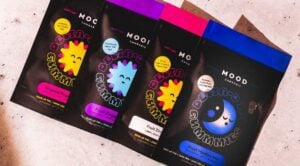
Mood recently introduced products like PMS Support THC Gummies designed specifically around hormone-related discomfort, mood support, and relaxation. The gummies combine hemp-derived cannabinoids with ingredients like lemon balm, dong quai, Vitex, DIM, and Vitamin B6 to help address cramps, mood swings, tension, and hormonal balance support.
That reflects a broader wellness trend where cannabis products increasingly overlap with functional wellness supplements instead of existing entirely separately. Consumers are becoming more interested in formulations that combine cannabinoids with adaptogens, botanicals, and targeted wellness ingredients.
This shift also mirrors changing conversations around self-care. Women increasingly want wellness routines that feel supportive and manageable rather than exhausting or performative. Products that integrate relaxation, hormonal support, and convenience naturally fit into that mindset.
The stigma around cannabis wellness has softened dramatically because the industry itself now feels more wellness-driven than counterculture-driven.
The Legal Hemp Boom Changed Access Completely
One major reason hemp-derived THC products exploded in popularity is the legal landscape created by the 2018 Farm Bill. Hemp-derived Delta-9 THC products containing less than 0.3% THC by dry weight became federally legal across much of the United States, opening the door for direct-to-consumer cannabis wellness brands. That legal accessibility changed consumer behavior completely.
People no longer needed to visit dispensaries in many cases. Products could be ordered online, delivered discreetly, and integrated into everyday wellness routines much more naturally. Mood specifically emphasizes discreet shipping, federally compliant hemp sourcing, and third-party lab testing across its products.
Third-party testing has become especially important as consumers grow more selective about safety and transparency. Many online cannabis communities now strongly encourage shoppers to prioritize lab-tested products with accessible Certificates of Analysis before trying new brands.
Consumers are becoming significantly more educated about cannabinoids, dosing, and product quality overall. That education is reshaping the industry rapidly.
THC Gummies Became the New “Functional Beverage”
One fascinating thing about modern cannabis culture is how edibles have evolved into something resembling functional wellness products rather than traditional recreational products.
Consumers increasingly view gummies similarly to sleep supplements, adaptogenic drinks, or stress-support products. Dosing precision, convenience, and discreet use make gummies especially appealing for people who want controlled experiences without smoking or vaping.
Mood leans heavily into this functional approach with products designed around specific experiences and fast-acting formulations. The company’s Dual-Wave Relief Gummies, for example, combine fast-acting and longer-lasting cannabinoids alongside botanical ingredients intended for physical relaxation and mood support.
This aligns with broader trends around microdosing and lower-intensity cannabis experiences. Many consumers are no longer seeking overwhelming intoxication. They want manageable mood shifts that fit into work-life balance, socializing, or evening relaxation without completely disrupting productivity.
Online discussions increasingly compare THC drinks and gummies to alcohol alternatives because of their more controlled and customizable effects. The idea of “functional calm” has become a huge part of modern wellness culture.
What People Should Actually Consider Before Trying Hemp-Derived THC Products
As hemp-derived products become more mainstream, thoughtful shopping matters more than ever. Not all cannabis wellness products are created equally, and consumers increasingly value transparency and consistency.
Important things people often consider include:
- Third-party lab testing availability
- Clear cannabinoid dosing
- Ingredient transparency
- Product onset time and duration
- State shipping restrictions
- Desired effect categories
- Beginner-friendly potency levels
- Botanical or functional ingredient blends
Mood appeals strongly to newer and wellness-focused consumers because the platform simplifies cannabis shopping through effect-based categories, lab-tested products, and accessible wellness-oriented branding.
Many newer consumers also prefer lower-dose products initially. Reddit discussions around Delta-9 gummies frequently recommend starting with milder formulations paired with CBD for gentler experiences and more balanced effects. Education and moderation have become central themes in modern cannabis wellness.
The Future of Relaxation Looks Much Different Than It Did Ten Years Ago
One of the most interesting cultural shifts happening right now is that people are redefining what relaxation actually means. Instead of chasing excess, many consumers now want experiences that feel intentional, manageable, and supportive of overall wellbeing.
That is exactly why brands like Mood resonate so strongly in 2026. The company reflects a broader movement where cannabis becomes less about stereotypes and more about personalized wellness, emotional balance, and lifestyle flexibility.
The future of self-care may not revolve around dramatic detoxes or impossible routines. It may simply revolve around helping people feel calmer, sleep better, socialize differently, and move through stressful modern life with a little more balance and a lot less pressure.