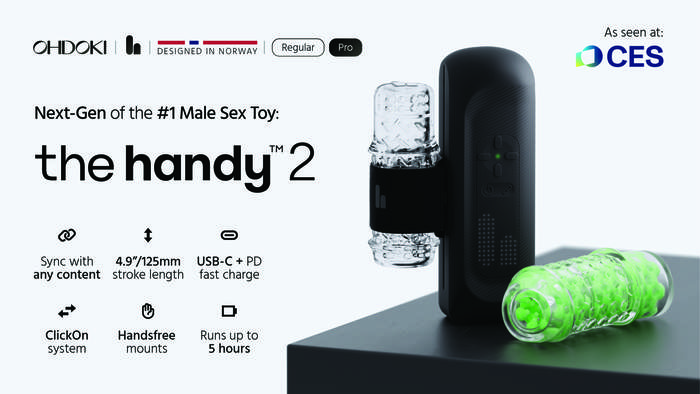
In an industry where innovation has often lagged behind user expectations, Ohdoki is quietly setting a new standard. Rather than focusing on surface-level upgrades, the company is building a deeply considered ecosystem that connects hardware, software, and developers into one evolving platform. With the introduction of Firmware 4 Beta, Ohdoki signals a clear shift from being a single-product startup to becoming a long-term technology leader. This release is not just an update—it is a foundation for what comes next. It reflects years of learning, community feedback, and a vision centered on flexibility, performance, and future growth.
Firmware 4 represents a meaningful turning point for users and developers alike. It improves how devices behave, communicate, and adapt in real-world scenarios. More importantly, it creates space for innovation beyond what was previously possible. As Ohdoki expands its product lineup, this firmware becomes the connective tissue that allows everything to work together seamlessly.
A Platform Built for Growth, Not Just Updates
Ohdoki’s evolution is clearly reflected in the way Firmware 4 has been designed. This release marks a move away from one-off improvements toward a scalable, automated, and developer-friendly platform. The firmware now acts as a stable base that can support multiple devices, new hardware projects, and future tools without friction. This shift reduces complexity behind the scenes while increasing reliability on the user side.
The development team has placed strong emphasis on efficiency and ease of management. Automated build processes, testing pipelines, and opt-in rollouts make updates faster and safer. At the same time, developers benefit from simplified driver management and cleaner integrations. These improvements ensure that growth does not come at the cost of stability, which is essential for a platform designed to last under the direction of Ohdoki.
Smarter Device Operation from the Moment You Power On
One of the most noticeable changes in Firmware 4 is how devices behave right from startup. Users can now choose a persistent Boot mode, selecting whether the device launches in WiFi, Bluetooth, a combination of both, legacy modes, or completely offline. This removes unnecessary steps and makes the experience feel more intentional and predictable. The device now adapts to the user, not the other way around, a design philosophy central to Ohdoki.
The updated button logic also introduces new flexibility. The WiFi button has been redefined as an “Action” button, opening it up for future custom behaviors. Long presses now reliably trigger BLE while toggling WiFi, and developers can integrate button actions directly into their applications. This small physical change unlocks a wide range of future possibilities, reinforcing Ohdoki’s focus on extensibility.
Onboarding That Lowers Barriers Instead of Raising Them
Getting a device online should never feel like a technical hurdle, and Ohdoki has clearly listened to its community on this point. Firmware 4 introduces a simplified onboarding process that makes setup faster and more intuitive. By using the dedicated Handy onboarding app across iOS, Android, and web, users can move from unboxing to usage with far less friction. This is especially important as the ecosystem grows and welcomes new users.
Lowering the barrier to entry benefits everyone involved. New users gain confidence quickly, while developers can rely on a consistent setup environment. Reduced complexity also means fewer errors during initial configuration. Over time, this leads to better adoption, fewer support issues, and a smoother overall experience powered by Ohdoki.
Real-Time Messaging That Changes How Devices Communicate
Firmware 4 introduces a major shift in how devices send and receive information. Instead of relying on constant polling, devices now push notifications when their state changes. This event-driven approach simplifies app logic and improves responsiveness. Developers can build smarter applications that react instantly without wasting resources, a core technical goal for Ohdoki.
The move from JSON to Protocol Buffers further strengthens this system. Messages are now smaller, faster, and more memory-efficient. Combined with message bundling, complex actions that once required multiple steps can now be executed in a single operation. The result is lower latency, better performance, and a more fluid user experience across all supported apps within the Ohdoki ecosystem.
New Modes That Unlock Entirely New Use Cases
Firmware 4 introduces powerful new operating modes that dramatically expand what devices can do. Audio Mode allows supported hardware to connect as Bluetooth headsets, using audio input to control motor behavior. This opens the door to creative integrations that were previously impossible. It also highlights Ohdoki’s commitment to thinking beyond traditional interaction models.
The introduction of Handy Vibrate Protocol and Handy Streaming Protocol represents an even bigger leap. HSP, designed as a unified streaming solution, replaces older systems with a faster and more flexible approach. By allowing points to be streamed and added while playing, HSP enables real-time applications such as games, live sensor input, and responsive interactive experiences. These modes reflect Ohdoki’s long-term vision for interactive technology.

Practical Enhancements That Improve Everyday Use
Beyond headline features, Firmware 4 delivers meaningful quality-of-life improvements. Battery handling now supports devices running on battery power, ensuring consistent behavior regardless of power source. HMI control has also been introduced, allowing developers to manipulate interface elements like RGB LEDs. These features may seem subtle, but they significantly improve usability and customization within the Ohdoki platform.
Timing improvements and enhanced video synchronization further refine the experience. Handy Direct Streaming Protocol has been expanded with stop commands, state notifications, and improved control capabilities. Each of these changes contributes to a smoother, more reliable interaction between hardware and software. Together, they demonstrate Ohdoki’s attention to detail and commitment to polish.
Under-the-Hood Changes That Future-Proof the Ecosystem
Much of Firmware 4’s true value lies beneath the surface. Ohdoki has rebuilt its firmware infrastructure to support automatic testing, distribution, and controlled rollouts. Updates can now be targeted by hardware model, location, or rollout group, reducing risk while increasing flexibility. This level of control is essential for a growing, global ecosystem.
The transition to a unified configuration system allows multiple hardware variants to be built from a single project. Support for current and future devices, including Oh and upcoming hardware, is now baked into the platform. OTA updates over WebSocket and Protocol Buffers ensure efficient delivery, while the switch to NimBLE enables simultaneous WiFi and Bluetooth usage. These changes underline how seriously Ohdoki is investing in scalability.
A New API That Reflects a More Mature Platform
All of these improvements come together in API v3, which represents a major step forward for developers. The introduction of SSE event notifications allows applications to respond instantly to device changes. This creates a more dynamic and responsive development environment. Apps become smarter, lighter, and easier to maintain within the Ohdoki ecosystem.
By modernizing its backend, APIs, app portal, and onboarding flows, Ohdoki has rebuilt its platform from the ground up. The gradual transition ensures stability while inviting users to explore what’s next through the new app portal. This careful balance of innovation and reliability shows a company thinking long-term. It is not just releasing features—it is building an ecosystem.

Building the Foundation for What Comes Next
Firmware 4 is more than a technical update—it is a statement of intent. Ohdoki is no longer defined by a single product, but by a growing platform designed to support innovation, creativity, and scale. Every change, from onboarding to streaming protocols, reflects a deeper understanding of both users and developers. The result is an experience that feels faster, smarter, and more human.
As the rollout continues, Firmware 4 sets the stage for what’s next. New devices, new applications, and new use cases now have a stable foundation to grow from. By investing in infrastructure as much as features, Ohdoki proves that meaningful progress happens behind the scenes as much as on the surface. This is not just an upgrade—it is the beginning of a more connected future.